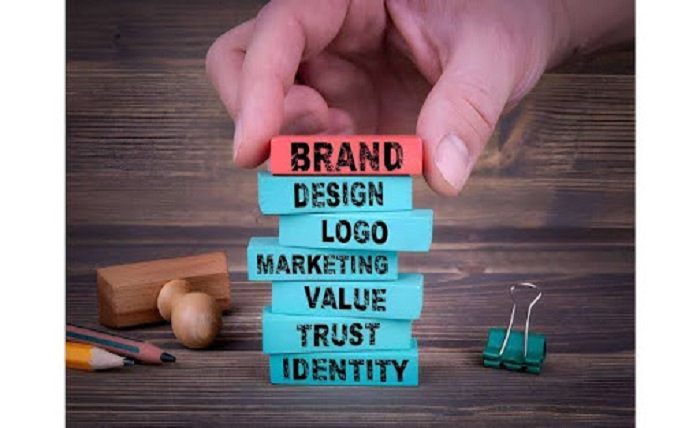
Personal branding is more about being famous online; it is mainly about long-term business value, clarity, and trust. A solid personal brand helps customers remember you quickly and choose your company over others. Most professionals build brands without tracking any results. This can feel good, but it lacks clear business proof. Measuring influence shows if branding drives growth and justifies budget, efforts, and time. This guide shows easy ways to scale and measure results. You don’t require marketing degrees or complex tools; you need consistent tracking and focus.
Why Personal Branding Matters for Every Company’s Growth?
People trust people, and they want to connect with real stories, voices, and faces. A solid personal brand builds connections every day. Business outcomes follow when trust increases because customers stay longer and respond faster. Partnerships become easier to land, and opportunities appear without any continuous pitching. Trust is hard to measure, which is why companies must look for signs of trust. Such sins show how a company supports visibility and revenue. Personal branding supports long sales cycles, making tracking even more important. Companies have to compare close rates before building the brand and compare them every 6 months.
Track Visibility Before Tracking Sales
Companies have to start by considering visibility metrics, as they show whether people are noticing them. The first step is to check profile views across platforms every month and compare numbers before and after branding efforts. Also, notice which content attracts more visitors.
The second step involves closely monitoring search results for your company’s name, such as whether more profiles or articles are appearing. This shows a stronger online presence.
The last and most important step is to attend webinars or events to track metrics. Ask people about where they heard about the company, and write down those sources. Visibility growth means that your company’s message is reaching people.
Simple Metrics That Matter Most
Focus on metrics that connect to real results and actions. Always avoid vanity numbers that inflate ego. Track the following metrics at least twice a month for the best insights:
- Average deal value and close rates
- Referral mentions and lead sources
- Engagement quality
- Search appearances and profile views
Measure Engagement
Counting followers alone can be misleading because engagement shows real attention and interest. Track messages, replies, and comments, even short reactions, as they also matter. People who ask questions show they have greater intent and trust.
Customers who reply to emails also show the level of branding success. This is because when people reply, it means that the company’s reputation is expanding. Make sure to add a professional photo using tools like a headshot AI, as better images lead to faster, higher response rates. This also adds authenticity, allowing customers to engage more. This ultimately predicts future conversions.
Conclusion
Branding can show clear returns when measured correctly, as it improves revenue stability, leads, and trust, while also safeguarding your company during market fluctuations. Well-performing brands don’t chase attention and naturally attract over time. Businesses must measure wisely to stay consistent and patient.