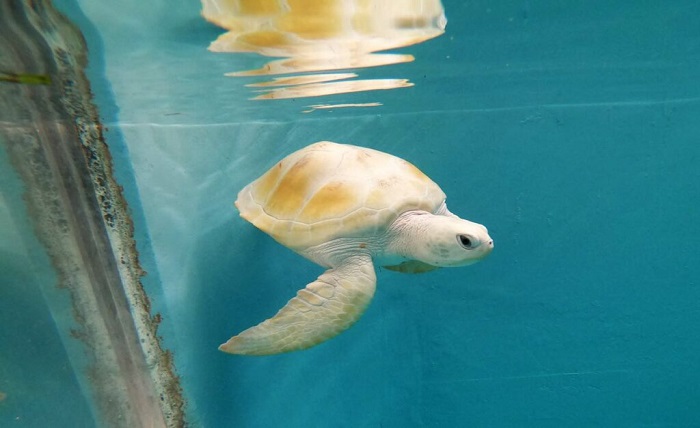
An albino turtle is a rare variation of normal turtles that lacks pigmentation in its skin and shell, giving it a distinctive white or pinkish appearance. Unlike regular turtles, the albino turtle has a genetic condition known as albinism, which prevents the production of melanin. This condition not only affects its color but can also influence its vision and sensitivity to sunlight. Observing an albino turtle in the wild is an extraordinary experience because of its rarity and striking appearance. These turtles are often subjects of fascination for wildlife enthusiasts and herpetologists.
Physical Characteristics of Albino Turtles
The most obvious feature of an albino turtle is its lack of dark pigmentation. Albino turtles usually have pale, almost translucent skin, and their eyes are often pink or red due to visible blood vessels. The shell of an albino turtle can range from creamy white to yellowish, depending on its diet and environment. Despite their unusual coloration, albino turtles share the same basic anatomy as other turtles, including a hard protective shell, webbed feet for swimming, and a strong beak-like mouth. Their fragile skin, however, requires extra protection from direct sunlight, as they are more prone to burns.
Habitat and Distribution of Albino Turtles
Albino turtles can be found in both freshwater and marine environments, but they are extremely rare in the wild due to their vulnerability to predators. Most commonly, sightings of an albino turtle occur in carefully monitored habitats or breeding centers. In the wild, albino turtles often inhabit ponds, rivers, lakes, or coastal regions where they can find shelter and food. The absence of pigmentation makes the albino turtle more conspicuous, increasing its chances of predation. Because of this, many albino turtles in the wild do not survive to adulthood. Captive environments help protect these turtles, providing safer conditions for observation and study.
Diet and Feeding Habits of Albino Turtles
Like other turtles, the albino turtle is generally omnivorous, feeding on a mix of vegetables, fruits, insects, and small aquatic animals. The diet of an albino turtle must be carefully managed to ensure proper nutrition, as these turtles are prone to health problems due to their unique genetic condition. Leafy greens, aquatic plants, and occasional protein sources like shrimp or fish are ideal for maintaining the albino turtle’s health. Additionally, providing calcium and vitamin supplements is essential to support shell development and overall well-being. Feeding an albino turtle requires patience and attention to its specific dietary needs.
Behavior and Temperament of Albino Turtles
The behavior of an albino turtle is similar to other turtles, although some differences may arise due to their sensitivity to light. Albino turtles tend to be more reclusive and may avoid prolonged exposure to bright sunlight. They are generally slow-moving and cautious, relying on their shells for protection. In captivity, albino turtles can develop a strong bond with their caretakers and may respond to regular feeding routines. Observing an albino turtle in its habitat offers insights into its unique adaptations and careful strategies for survival despite its vulnerability.
Breeding and Reproduction of Albino Turtles
Breeding an albino turtle can be challenging due to the rarity of the albinism gene. Most albino turtles found in captivity are bred through selective mating programs to preserve their unique genetic traits. Female albino turtles lay eggs in nests on land, and the hatchlings are often highly vulnerable due to their visibility to predators. In controlled environments, breeders take extra care to ensure that the eggs receive proper incubation and the young albino turtles grow in a safe environment. Understanding the reproduction of albino turtles is essential for conservation efforts and the survival of these rare creatures.
Threats and Conservation of Albino Turtles
Albino turtles face several threats both in the wild and in captivity. Predation, sun exposure, and habitat loss are significant challenges due to their distinctive coloration. The vulnerability of an albino turtle makes them a priority for conservation efforts. Captive breeding programs and wildlife sanctuaries play a crucial role in protecting these turtles and educating the public about their unique needs. Conservationists emphasize the importance of preserving natural habitats and preventing illegal trade to ensure the albino turtle continues to thrive in both natural and controlled environments.
Fascinating Facts About Albino Turtles
The albino turtle is full of surprises beyond its appearance. For instance, albinism can occur in almost any species of turtle, but albino sea turtles are particularly rare. Albino turtles can live long lives if protected from sunlight and predators, often exceeding 50 years in captivity. Their unique look makes them highly popular in photography and wildlife studies. Additionally, albino turtles often inspire fascination in popular culture, symbolizing rarity and beauty. Observing or owning an albino turtle requires careful attention to its environment, diet, and health, ensuring these rare creatures flourish.
Conclusion
The albino turtle is an extraordinary example of nature’s diversity and genetic variation. Its rare coloration, unique behavior, and delicate needs make it a fascinating subject for wildlife enthusiasts, conservationists, and pet owners. Despite the challenges of survival due to vulnerability and predation, the albino turtle continues to capture human curiosity and admiration. By understanding its habitat, diet, behavior, and reproductive habits, we can better protect these remarkable creatures. The albino turtle not only enriches our appreciation for biodiversity but also reminds us of the delicate balance needed to preserve rare species in the wild.
FAQs
1. Are albino turtles more vulnerable than regular turtles?
Yes, an albino turtle is more susceptible to predators and sun exposure due to its lack of pigmentation.
2. Can albino turtles live in the wild?
Albino turtles can live in the wild, but survival is challenging due to their visibility to predators and sensitivity to sunlight.
3. How do albino turtles reproduce?
Albino turtles reproduce like other turtles, laying eggs on land, but selective breeding in captivity is often used to preserve albinism.
4. What do albino turtles eat?
An albino turtle eats a mix of vegetables, fruits, and protein sources, supplemented with calcium and vitamins for proper health.
5. Why are albino turtles so rare?
Albino turtles are rare because albinism is a genetic mutation, and their bright appearance increases vulnerability in natural habitats.