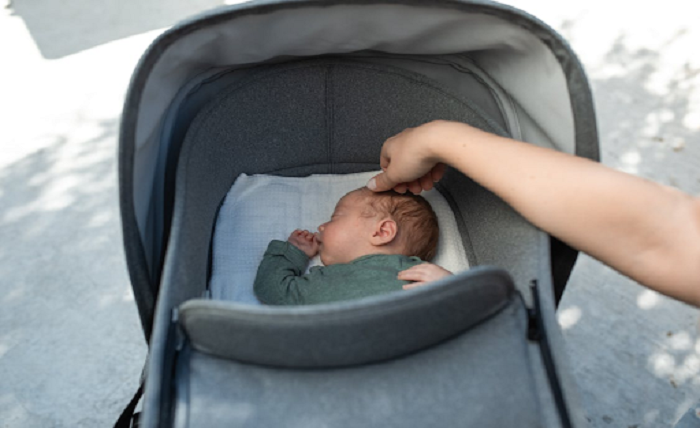
New parents inherit a mountain of decisions before the baby even arrives. Strollers alone can spiral into a research rabbit hole, dozens of brands, conflicting reviews, and price tags that range from suspiciously cheap to quietly alarming.
But here’s what gets lost in all that noise: a stroller isn’t just gear. It’s infrastructure. It shows up every single day, and when it fits your life properly, you genuinely feel the difference.
A 2023 survey of 5,000 respondents found that 55% of U.S. parents aged 25–34 prefer multi-functional strollers. That’s not a coincidence; it reflects how parents think about value now. Less about single-purpose items, more about long-term investment.
Retailers like Little Canadian make that investment easier to navigate, offering access to trusted brands, knowledgeable guidance, and return policies that give you breathing room when the stakes are high.
The Real Benefits of Baby Strollers in Everyday Parenting Life
Finding the best baby stroller for your family isn’t about chasing the most expensive model; it’s about matching the right tool to your actual daily reality. And that distinction matters more than most first-time parents expect.
The benefits of baby strollers extend well beyond basic transportation. A quality stroller reduces physical strain, cuts decision fatigue, and quietly absorbs some of the mental load that accumulates fast on sleep-deprived parents.
Think of it less as a product and more as a daily recovery tool.
Physical Relief for Bodies Under Real Pressure
Carrying a growing baby across long outings is hard on your back, shoulders, and joints, and that strain compounds quickly during postpartum recovery.
Research shows that runners experienced an 8 to 17% reduction in vertical loading when using a stroller, translating to meaningfully less physical impact per step. For parents managing chronic pain or navigating solo parenting stretches, that physical relief isn’t incidental. It’s the difference between getting outside and staying home.
Structure That Stabilizes Your Whole Day
Unpredictable mornings become more manageable when a stroller anchors your routine. Strategic stroller naps, consistent walking schedules, and reliable outdoor time all contribute to steadier sleep and feeding patterns.
Predictability, even in small doses, is genuinely valuable when you’re operating on minimal sleep.
A Rolling Command Center for Your Essentials
Storage baskets, parent trays, cup holders, and snack compartments collectively replace the need for an extra pair of hands. When diapers, wipes, and a spare outfit live in the stroller permanently, you stop repacking the same bag every single morning.
That sounds minor until you’ve spent twenty minutes searching for a pacifier at 7 AM.
Stroller Types and Which One Actually Fits Your Life
There’s no universal answer here, and anyone who tells you otherwise is selling something. Your living situation, daily habits, family size, and budget all influence which stroller actually works, not just which one photographs well.
Full-Size Strollers
Reliable suspension, generous storage, and multi-position recline make full-size strollers ideal for suburban families who need a dependable everyday option. The trade-off is weight and trunk space, factors worth testing before you commit.
Lightweight and Travel Strollers
Approximately 48% of parents globally purchase lightweight strollers under 8 kg, largely driven by city living and frequent travel demands. One-hand folds, compact profiles, and easy maneuverability make these indispensable for urban parents and transit commuters.
That said, they work best alongside a full-size stroller rather than as a complete replacement.
Jogging and All-Terrain Strollers
Air-filled tires, a front-wheel lock, and a wrist safety strap are non-negotiables for active parents tackling trails or rough sidewalks. Most experts recommend waiting until the baby reaches at least six months before going jogging.
These strollers handle terrain that standard wheels simply weren’t built for.
Double and Convertible Strollers
Single-to-double convertible frames represent a smart long-term play for growing families. The upfront cost is higher, but it often saves considerably compared to purchasing multiple separate strollers across different stages. The trade-off is a heavier frame and a wider footprint in tighter spaces.
A Practical Baby Stroller Buying Guide for Confident Decisions
The smartest baby stroller buying guide doesn’t start with spec sheets. It starts with honest questions about how you actually live.
Map Your Lifestyle Before You Browse
Do you walk most places? Drive everywhere? Rely on transit daily? Do you have stairs, a cramped elevator, or a small car trunk? Answering these questions honestly narrows your options dramatically and protects you from buying features you’ll never use.
Features That Genuinely Earn Their Keep
A one-hand fold is non-negotiable on solo parenting days. A height-adjustable handlebar matters significantly when two caregivers of different heights share the stroller. Easy-clean fabric and a well-positioned, accessible basket are the quiet workhorses that save real time every week.
Safety Checks That Aren’t Optional
A 5-point harness, solid frame, reliable braking system, and verified safety certifications form the baseline, not bonus features.
Test the stroller’s one-handed maneuverability through tight turns in person. A stroller that’s frustrating to steer will drain your patience far faster than any price tag will.
Budget Decisions That Account for Long-Term Value
Daily-use strollers justify a higher investment. Better suspension, quality materials, and modular components hold up across multiple years and potentially multiple children. For travel-only or backup use, a well-reviewed mid-range option handles the job comfortably.
Buying secondhand frames in solid condition and adding accessories gradually is a legitimate strategy for stretching your budget without sacrificing quality.
What Stroller Use Actually Looks Like in Real Life
Features on a spec sheet are abstract. Specific moments are not.
A pre-loaded, ready-to-go stroller means leaving the house takes minutes instead of consuming your entire morning routine. A ride-along board attached to a single stroller keeps older siblings safe and close in crowded spaces without requiring a full double upgrade.
And a daily walk, even a short one, functions as a genuine reset for overstimulated babies and overwhelmed parents alike.
These aren’t hypothetical benefits. They’re the small, reliable wins that accumulate into a more manageable parenting experience.
Stroller Types at a Glance
| Stroller Type | Best For | Key Advantage | Main Trade-Off |
| Full-Size | Daily suburban use | Durability, large basket | Heavy, bulky trunk fit |
| Lightweight/Travel | City living, transit | Compact fold, portability | Less storage, smaller wheels |
| Jogging/All-Terrain | Active parents | Handles rough terrain | Bulky, not great indoors |
| Double/Convertible | Multiple children | Long-term flexibility | Heavy, wider footprint |
| Travel System | Newborns | Car-to-stroller ease | Outgrown by 12 months |
Frequently Asked Questions
Is a stroller or a baby carrier more practical daily?
Both have their place. Carriers offer hands-free mobility on uneven terrain. Strollers handle storage, longer outings, and physical strain better. Many parents use both regularly.
When do you move past a travel system?
Most systems work until the baby outgrows the infant car seat, typically around 12 months. When your child sits upright confidently and you need something lighter or more versatile, it’s time to transition.
What matters most in a small apartment?
Self-standing folds, narrow width, and lightweight frames. Measure your entryway and closet before purchasing, skipping this step is one of the most common and easily avoidable regrets.
Are premium strollers worth the cost?
For daily multi-year use, yes, better suspension, materials, and warranty coverage justify the investment. For occasional use, a reliable mid-range model performs well.
How long will your child actually use a stroller?
Most children use strollers regularly until age three or four, with occasional use continuing through age five for longer outings. Check your specific model’s weight and height limits.
Choose the Stroller That Fits Your Family’s Actual Life
The genuine benefits of baby strollers reveal themselves in ordinary moments, the morning outing that doesn’t unravel, the walk that finally settles a fussy baby, the evening where your back actually feels okay. A well-chosen stroller works in the background of your hardest days without asking for much in return.
No single stroller is perfect for everyone. But the right one for your family, chosen deliberately using an honest assessment of your lifestyle, pays for itself in ways that don’t show up on a spec sheet.
Use this guide to shortlist two or three options, test them in person, and invest with the kind of confidence that comes from doing the work upfront.