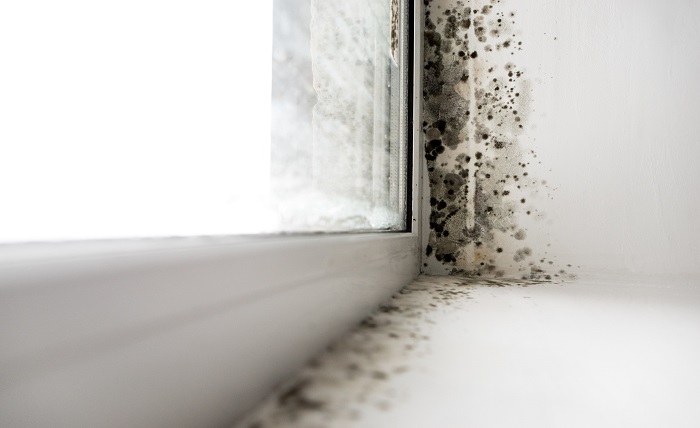
Mold is more than just an unsightly nuisance—it can pose serious health risks and damage the structural integrity of your home. Understanding what causes mold to grow is the first step in preventing its spread. Mold thrives in environments that provide moisture, warmth, and organic material. By identifying the top reasons mold takes hold in homes, homeowners can take proactive steps to protect both their property and their health.
1. Excess Moisture
Moisture is the primary catalyst for mold growth. Leaks in roofs, walls, or plumbing can create damp environments where mold spores flourish. Even small leaks, if left untreated, can lead to significant mold infestations. Beyond leaks, everyday household activities such as cooking, showering, and doing laundry can increase indoor humidity. Homes without proper ventilation or dehumidification are particularly susceptible. Maintaining indoor humidity levels below 50% is crucial to prevent mold from taking hold.
2. Poor Ventilation
Ventilation plays a key role in controlling moisture levels in the home. Rooms that lack proper airflow—like basements, attics, or bathrooms—tend to trap humidity. Poorly ventilated kitchens and bathrooms, especially, create ideal conditions for mold growth. Installing exhaust fans, opening windows when possible, and ensuring HVAC systems are functioning correctly can significantly reduce the risk of mold forming.
3. Flooding and Water Damage
Floods, whether from natural disasters or plumbing failures, are a major contributor to mold problems. Standing water and soaked building materials provide an ideal breeding ground for mold spores. After a flood, it is essential to dry affected areas quickly—ideally within 24 to 48 hours—to prevent mold growth. Professional water damage restoration services can help ensure that homes are thoroughly dried and disinfected to prevent mold from taking hold.
4. Condensation Issues
Condensation forms when warm, moist air comes into contact with cooler surfaces like windows, walls, or pipes. Over time, repeated condensation can create damp patches that encourage mold growth. Condensation is common in areas where insulation is poor or where cold air meets warm indoor air. Addressing insulation problems, using double-glazed windows, and employing dehumidifiers can help reduce condensation and limit mold development.
5. Poor Maintenance
Neglecting routine home maintenance can indirectly contribute to mold growth. Clogged gutters, leaking pipes, and worn-out seals around windows or doors can allow moisture to seep into your home. Regularly inspecting these areas and promptly repairing any issues can prevent the moisture accumulation that mold requires. Maintaining your HVAC system and ensuring it is cleaned and serviced regularly also helps control indoor humidity levels.
6. Organic Building Materials
Mold feeds on organic materials such as wood, drywall, wallpaper, and carpeting. Homes with these materials are more vulnerable when moisture is present. While synthetic materials are less susceptible, they are not completely immune. Preventing mold growth involves keeping these surfaces dry and treating areas with mold-resistant products when building or renovating.
7. High Humidity Regions
Some regions are naturally more prone to mold due to climate. Humid or rainy environments provide consistent moisture that can infiltrate homes through windows, doors, or the foundation. Homeowners living in these areas should be particularly vigilant about moisture control, using dehumidifiers, sealing leaks, and inspecting their homes regularly for signs of mold.
8. Hidden Mold
Mold often grows in hidden or less noticeable places, such as behind walls, under carpets, or inside air ducts. Because these areas are out of sight, mold can develop unchecked, making it difficult to detect until the problem is severe. Periodic inspections, especially after leaks or water damage, can help identify hidden mold early and prevent larger infestations.
Preventive Measures
Preventing mold requires ongoing attention and proactive measures. Homeowners should prioritize controlling moisture, ensuring proper ventilation, and performing routine inspections. Utilizing mold-resistant materials, repairing leaks promptly, and using dehumidifiers in areas prone to dampness can significantly reduce the risk of mold growth. Early detection and timely intervention are essential to stopping mold before it causes serious damage.
While mold may seem like a minor nuisance, it can lead to health issues and structural damage if left unchecked. By understanding the main causes of mold in homes and taking preventive steps, homeowners can safeguard both their property and well-being. For those dealing with persistent or hidden mold issues, professional mold removal in Salt Lake City ensures thorough treatment and long-term protection, helping maintain a safe, healthy, and mold-free home.