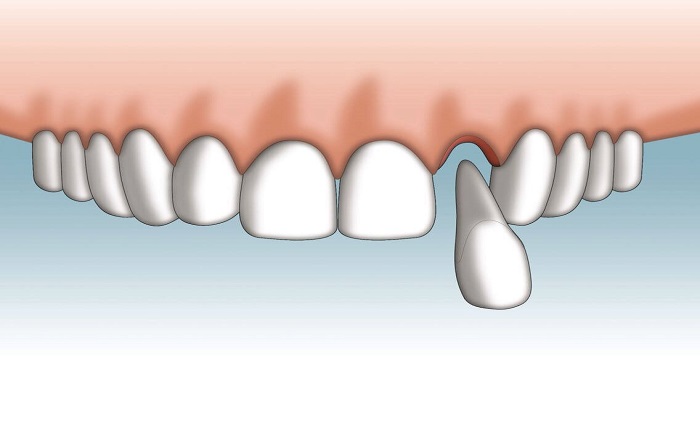
A knocked-out tooth is a dental emergency that requires quick thinking and immediate action. Whether from a sports injury, a fall, or an unexpected accident, losing an adult tooth can be a frightening experience. The good news is that with the right steps, the tooth can often be saved and successfully reimplanted.
First Aid for a Knocked-Out Tooth
The first hour after a tooth is knocked out is the most critical. The actions you take during this time will largely determine whether the tooth can be saved. Stay calm and follow this step-by-step guide.
Step 1: Handle the Tooth with Care
First, locate the tooth. When you pick it up, be very careful to only touch the crown, which is the shiny, white part you normally see when you smile. Avoid touching the root at all costs. The root is covered with delicate periodontal ligament cells that are essential for reattachment. Touching or scrubbing the root can damage these cells and make reimplantation impossible.
Step 2: Clean the Tooth Gently (If Needed)
If the tooth is dirty, you need to clean it before putting it back in its socket. Do not use soap, alcohol, or any other cleaners. Instead, gently rinse it with milk or a saline solution for a few seconds. If neither is available, a quick rinse with clean water is a last resort. Do not scrub or wipe the tooth, as this can damage the root’s surface.
Step 3: Try to Reinsert the Tooth
The best place for a knocked-out tooth is back in its socket. If possible, gently try to place the tooth back into its original position.
- Hold the tooth by the crown.
- Carefully align it with the empty socket.
- Push it in gently. If it doesn’t go in easily, don’t force it.
- Once it’s in place, bite down softly on a clean cloth, handkerchief, or piece of gauze to hold it steady.
This step may not be possible, especially with young children or if there is significant pain or damage to the surrounding area. If you can’t reinsert the tooth, move to the next step immediately.
Step 4: Keep the Tooth Moist
If you can’t put the tooth back in its socket, you must keep it moist. The periodontal ligament cells on the root need to stay alive for reimplantation to be successful. A dry tooth has a much lower chance of survival.
Here are the best ways to store the tooth, in order of preference:
- A balanced salt solution: Commercially available products like Hank’s Balanced Salt Solution or Save-A-Tooth are ideal.
- Milk: A small container of cold milk is the next best option. Milk helps maintain the right balance of fluid and nutrients to keep the root cells alive.
- Saliva: You can place the tooth inside your cheek, between the gum and cheek. This is a good option for adults but should be avoided with young children who might swallow it.
- Saline solution: If you have a first-aid kit with saline solution for contact lenses, this can also be used.
Do not store the tooth in tap water. The properties of tap water can cause the root cells to swell and burst, making reimplantation unlikely.
Step 5: See a Dentist Immediately
This is the most crucial step. A knocked-out tooth is a serious dental emergency, and time is of the essence. Your chances of saving the tooth are highest if you see a dentist within 30 to 60 minutes of the injury. Call your dentist right away and explain the situation. If it’s after hours, you’ll need to find an emergency dentist.
Finding Emergency Dental Care
Most dental offices have procedures for handling after-hours emergencies. If you have a regular dentist, call their office number first. Their voicemail message will likely provide instructions or an emergency contact number.
If you don’t have a regular dentist or can’t reach them, here are a few ways to find emergency dental care:
- Search Online: Use search terms like “emergency dentist near me” or “24-hour dentist.” If you are in Utah, you could search for “emergency dentists in Layton” to find a local provider.
- Check Local Hospital Emergency Rooms: While most ERs are not equipped for dental procedures like reimplantation, they may have an on-call dentist or be able to provide contact information for one. They can also help manage pain and address any other injuries from the accident.
- Use a Dental Emergency Hotline: Some services connect patients with available emergency dentists in their area.
When you call, be prepared to explain what happened, what steps you’ve taken, and how you are storing the tooth. This information will help the dental team prepare for your arrival.
Long-Term Care and Prevention
If the dentist successfully reimplanted your tooth, the journey isn’t over. Proper long-term care is essential to ensure the tooth remains healthy and functional.
After Reimplantation
Your dentist will likely splint the reimplanted tooth to the neighboring teeth to hold it stable while it heals. This splint usually stays in place for a few weeks. During this time, you’ll need to:
- Follow a soft-food diet: Avoid hard, crunchy, or chewy foods that could put pressure on the healing tooth.
- Maintain excellent oral hygiene: Brush and floss carefully around the splint as instructed by your dentist to prevent plaque buildup and infection.
- Attend follow-up appointments: Your dentist will need to monitor the healing process closely. This may involve x-rays to check that the root is reattaching to the bone.
- Watch for signs of complications: Be aware of any increasing pain, swelling, or discoloration of the tooth or gums, and report it to your dentist immediately.
In some cases, a reimplanted tooth may require a root canal treatment later on to prevent infection inside the tooth. Your dentist will advise you if this is necessary.
Preventing Future Tooth Injuries
Accidents happen, but you can take steps to reduce the risk of dental injuries:
- Wear a Mouthguard: If you or your children play contact sports like football, basketball, hockey, or soccer, wearing a custom-fitted mouthguard is the single most effective way to prevent knocked-out teeth and other dental injuries.
- Childproof Your Home: For young children, take precautions like installing safety gates and padding sharp corners on furniture to prevent falls.
- Avoid Using Teeth as Tools: Don’t use your teeth to open bottles, tear packages, or bite hard objects like ice or pens.
Conclusion
A knocked-out tooth is a time-sensitive emergency where every minute counts. By staying calm, handling the tooth correctly, and getting to a dentist as quickly as possible, you give yourself the best possible chance of saving your natural smile.