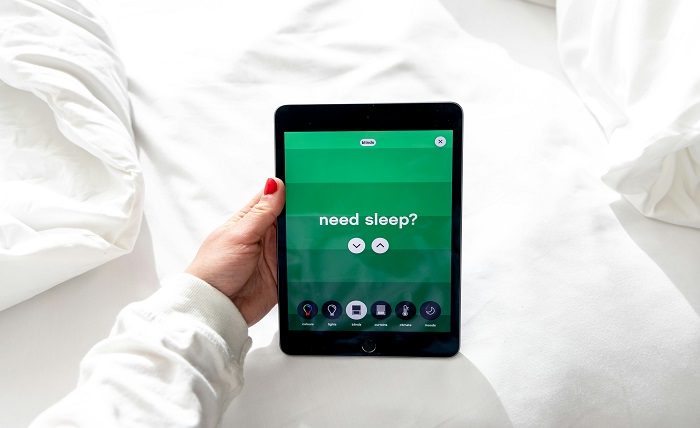
The digital revolution promised limitless efficiency and a connected global community, and for a time, it fulfilled that vision. Yet as screens now dominate nearly every moment, a sobering realization is taking hold. The initial excitement has evolved into concern over the psychological and social costs.
From tech leaders limiting their children’s screen time to rising anxiety and shrinking attention spans, the warning signs are clear. Our hyper-connected world urgently needs boundaries and mindful digital habits.
Therefore, here, we will explore digital wellness and ask if disconnection is the art we must learn to preserve the humanity that technology enhances.
Understanding Digital Wellness and Its Importance
Digital wellness means intentionally managing technology to protect mental, emotional, and physical well-being. It encourages focus, rest, and authentic connection over constant distraction. Excessive screen time increases stress and disrupts sleep. These effects highlight why achieving digital balance has become essential in maintaining overall health in today’s connected world.
The Guardian reported that 47% of 16- to 24-year-olds now deactivate notifications or use “do not disturb” mode. This marks a rise from 40% in 2023. In comparison, only 28% of older adults do the same. The trend reflects growing awareness of digital wellness among younger users.
The Psychological Impact of Constant Connectivity
The human brain evolved for real-world interaction, not endless digital input. Constant connectivity creates “continuous partial attention,” which fragments focus through constant alerts. This mental overload disrupts deep thinking, lowers productivity, and heightens stress and burnout.
Digital platforms designed to maximize engagement often exploit the brain’s dopamine system. This cycle fuels FOMO and social comparison. Over time, constant connectivity fosters chronic low-level anxiety and declining mental well-being.
A report by Deloitte found that 41% of consumers dislike the effort of managing their devices, such as handling security. The complexity contributes to digital stress. In fact, 28% feel overwhelmed managing devices and subscriptions. This reflects the mental toll of constant digital maintenance.
Social Media, Algorithms, and the Attention Economy
Social media platforms are intentionally built to capture and hold attention. Algorithms track behavior and preferences to personalize content. This design exploits emotions like curiosity, validation, and comparison, which keep users endlessly engaged.
This engagement-driven model boosts advertising revenue but comes at a cost. It often fuels anxiety and self-doubt among users. Constantly comparing lives to curated feeds can ultimately lead to digital exhaustion and burnout.
Rising awareness of these psychological effects has intensified discussions on ethical tech design. The ongoing social media addiction lawsuit highlights accountability. It urges major platforms to prioritize user well-being over profit-driven engagement metrics.
According to TruLaw, individuals may qualify for the social media mental health lawsuit by proving documented issues like anxiety or depression. Compensation may cover medical and therapy costs. Educational or career impacts are also considered.
Tech Industry’s Role in Promoting Digital Balance
According to McKinsey & Company, 84% of US consumers consider wellness a top or important priority. The number stands at 79% in the UK and 94% in China. As digital wellness gains traction, tech companies face growing pressure to design for balance rather than addiction.
Many companies now offer features like screen-time tracking, app limits, and focus modes to promote healthier device use. Tech leaders such as Apple, Google, and Meta lead this shift. Their digital wellbeing dashboards help users monitor habits and regain control of their time.
Practical Steps for a Healthier Digital Lifestyle
Digital wellness starts with small, consistent habits. Limit screen time, silence unnecessary notifications, and schedule unplugged hours to restore focus and calm. Tech-free zones during meals or before bed promote real connection. Mindfulness apps and digital detox challenges further enhance awareness of daily online behavior.
According to the Centers for Disease Control and Prevention, teens with high daily screen time show concerning health patterns. They are less physically active (45.6% vs 32.1%) and less well-rested (59.9% vs 40.1%). Also, 37.8% report weight concerns compared to 25.3% among those with lower screen use. It emphasizes the need for healthier digital boundaries.
Rethinking Connection in the Future of Tech
As the digital wellness discussion evolves, the focus must move beyond managing technology toward redefining genuine connection. Emerging innovations like AI and ubiquitous sensing deepen tech integration. Yet, future designs must equally prioritize disconnection, balance, and well-being to preserve our mental and emotional health.
Future platforms should embrace “mindful design,” using AI to detect harmful habits like compulsive scrolling or late-night screen use. Instead of maximizing engagement, technology should curate attention for health, learning, and connection. The goal is connectivity that enhances rather than diminishes our quality of life.
Frequently Asked Questions
Is digital detoxing actually effective or just a trend?
Digital detoxing is more than a trend; it’s a powerful reset for mind and body. Screen breaks reduce stress, enhance sleep, and sharpen focus. True benefits come from consistent, mindful tech habits rather than occasional disconnection from digital devices.
Can children and teens develop early signs of digital dependency?
Children and teens can show early signs of digital dependency. Excessive screen time often causes irritability, restlessness, and disinterest in offline activities. Research links overuse to sleep and attention issues, which highlight the need for balance and parental guidance.
How can AI be used responsibly to encourage healthier online habits?
AI tracks screen time, detects overuse, and prompts mindful breaks, which promote healthier online habits. It can filter harmful content, encourage positive engagement, and prioritize user well-being. Responsible AI ensures transparency, data privacy, and designs that support focus and emotional balance.
Finding Balance in a Hyperconnected World
As technology shapes nearly every part of modern life, the goal isn’t total disconnection but conscious connection. We must rethink how we use digital tools and hold platforms accountable for their impact. With mindful choices, constant connectivity can become a meaningful connection.
Balance means embracing innovation while protecting focus, relationships, and mental health. By doing so, we regain attention and rediscover presence both online and offline.