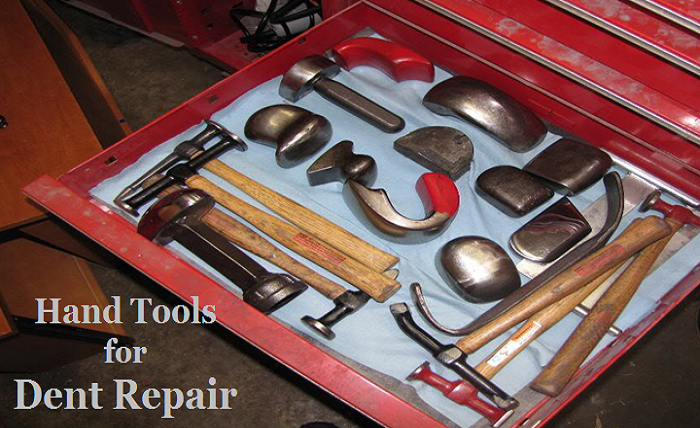
Minor dents and dings are an unfortunate part of vehicle ownership. Parking lot mishaps, shopping carts, hail, and low-speed impacts can all leave visible marks on body panels. While these imperfections don’t always affect drivability, they can reduce a vehicle’s appearance and resale value. Fortunately, many small dents can be addressed at home with the right tools and techniques. A quality dent puller is often the starting point for DIY dent repair when damage is shallow and paint remains intact.
Understanding which dent tools work best—and when to use them—helps drivers restore body panels safely without causing further damage. Choosing the wrong method or applying too much force can stretch metal or crack paint, turning a simple repair into a costly problem.
How Dent Pullers Work
Dent pullers are designed to gently pull metal back into its original shape without requiring access behind the panel. They work by attaching to the surface of the dent and applying controlled outward force. This makes them ideal for dents located in areas that are difficult to reach, such as doors, quarter panels, and fenders.
There are several types of dent pullers commonly used for minor repairs. Suction cup pullers rely on vacuum pressure to grip the surface. These are best suited for smooth, shallow dents where the paint is undamaged. When used correctly, suction pullers can often reduce or eliminate dents with minimal effort.
Glue-based dent pullers offer more pulling strength. These systems use specialized adhesive tabs bonded temporarily to the dent’s surface. A pulling tool applies force to lift the dent outward, and the adhesive is later removed without damaging the paint. Glue pullers are effective for deeper dents but require careful technique to avoid paint damage.
The key to successful dent pulling is patience and precision. Pulling too aggressively can overcorrect the dent or create high spots in the metal. Multiple small pulls are generally more effective than one strong pull. Temperature also matters—metal becomes more flexible when warm, so performing repairs in moderate conditions improves results.
Surface preparation is critical. Cleaning the area thoroughly ensures proper adhesion and reduces the risk of scratches. If the paint is already chipped or cracked, dent pulling may worsen the damage, making additional repair steps necessary.
After pulling the dent, minor surface imperfections may remain. This is where finishing products such as automotive touch up paint come into play. Touch-up paint helps restore color and protect exposed metal, especially if small chips occurred during the initial impact.
When Professional Repair Is the Better Option
While DIY dent tools are effective for many minor issues, not all damage should be handled at home. Large dents, sharp creases, or damage near panel edges often require professional equipment and experience. Attempting to fix these issues with basic tools can stretch metal beyond repair or permanently distort the panel.
Paint condition is a major deciding factor. If the paint is cracked, peeling, or flaking, pulling the dent can cause further damage. Professional repair techniques address both the dent and paint restoration together, ensuring a consistent finish.
Structural considerations also matter. Dents near impact zones, door frames, or reinforcement beams may affect panel alignment or safety features. These areas require precise repairs that go beyond cosmetic correction.
Modern vehicles add another layer of complexity. Many body panels are integrated with sensors, wiring, and safety systems. While a dent may look minor from the outside, underlying components could be affected. Diagnosing these issues may require scanning the vehicle with a code reader to identify hidden faults or sensor-related problems following an impact.
Time and cost should also be considered. DIY repairs save money upfront, but mistakes can increase long-term expenses. If a dent repair requires filler, sanding, repainting, and blending, professional repair may ultimately provide better value and durability.
Professional paintless dent repair (PDR) is often the best option for dents with intact paint. PDR technicians use specialized tools to massage metal back into shape from behind the panel, preserving the original finish. This method delivers clean results without repainting and is ideal for hail damage or multiple small dents.
Conclusion
Dent tools offer an accessible solution for repairing minor body damage when used correctly and on appropriate dents. Dent pullers can effectively restore shallow dents without compromising paint, especially when paired with careful technique and finishing products. However, knowing the limits of DIY repair is just as important as knowing how to perform it. When dents involve sharp creases, damaged paint, or sensitive vehicle systems, professional repair ensures the best outcome. By choosing the right approach for the damage at hand, drivers can protect both their vehicle’s appearance and long-term value.