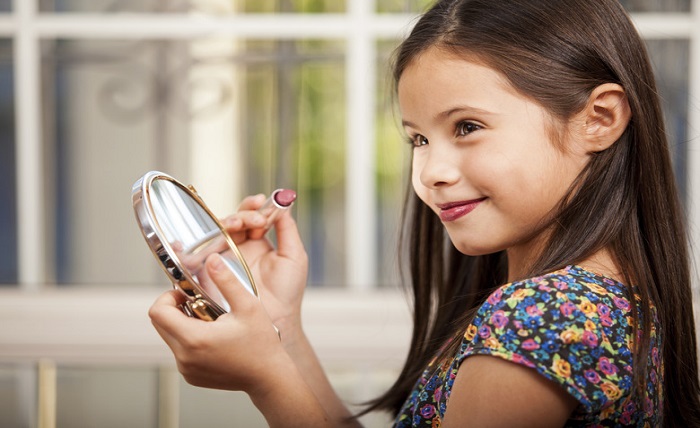
Your bathroom mirror is the perfect place for beauty exploration. You don’t need expensive products or pro training to start experimenting. At-home practice lets you discover new looks without pressure or judgment.
These fun experiments work for everyone, from beginners to makeup lovers. You’ll learn techniques like graphic eyeliner and bold color mixing. Each method builds your confidence while letting you relax and express yourself.
Mistakes aren’t failures—they’re stepping stones to finding your style. DIY makeup ideas offer stress relief and help you develop skills.
From dramatic looks to subtle experiments, you’ll find approaches that suit you. Your beauty adventure starts with products you already own.
Let’s explore experimental makeup techniques that will inspire your artistry. You’ll see cosmetics in a whole new way.
Key Takeaways
- Your home is the perfect laboratory for trying new beauty techniques without pressure or professional training
- Experimentation builds confidence and helps develop your unique personal style through hands-on practice
- These techniques work for all skill levels, from complete beginners to experienced beauty enthusiasts
- Mistakes are valuable learning opportunities that guide you toward discovering what works best for you
- Beauty experiments provide stress relief and creative expression using products you already own
- You’ll learn practical skills like graphic eyeliner, color mixing, and unconventional application methods
Why Experimenting with Makeup at Home is Worth Your Time
Makeup practice at home offers more than just better looks. It’s an investment in skills that grow with each experiment. You’ll discover your unique style and build real expertise.
Your home is the perfect learning environment for makeup. Mistakes become valuable lessons, not embarrassments. There’s no pressure from others or time limits.
You can try that bold liner multiple times until it’s perfect. Blend and reblend shadows without judgment. Through practice, you’ll find what works for your features.
Your eye shape might love techniques different from tutorials. Certain color combinations might look amazing on your skin tone. These discoveries happen when you have time to experiment.
Mastering new looks at home boosts confidence in real-world situations. You’ll feel comfortable wearing practiced techniques out. This removes the anxiety of trying something new in public.
A creative beauty routine can also meet emotional needs. Many find it meditative to work with colors and textures. The artistic expression satisfies creative urges often ignored in daily life.
Makeup experimentation can be as stress-relieving as other creative hobbies. Your canvas travels with you, boosting your mood long after application.
Makeup learning at home saves money over time. Professional makeup for events can cost $75 to $150 each. Developing these skills yourself gives you independence and flexibility.
Home beauty experimentation helps you maximize your existing products. You might find new uses for items you already own. This stretches your budget and reduces waste.
Practicing at home prepares you for the camera. You’ll understand which techniques look best in photos and last all day. The online beauty community welcomes newcomers with well-honed skills.
Every experiment builds a foundation that serves you for years. You’ll develop steady hands, learn color theory, and gain self-knowledge. This investment pays off in both skill and confidence.
Graphic Eyeliner Designs Beyond the Wing
Bold geometric shapes and artistic eye makeup are now taking center stage. Graphic eyeliner turns your eye area into a creative canvas. Lines, angles, and patterns come together in unexpected ways.
You don’t need professional training for stunning graphic eyeliner looks. The right tools and practice can help you create dramatic designs. Start simple and work up to more complex patterns.
Essential Tools and Products for Precision
Creating clean, professional-looking lines requires the right equipment. Quality products make the learning process smoother and more enjoyable. Precision is key when working with eyeliner techniques that demand sharp edges.
Different tools serve different purposes. A versatile collection helps you tackle various design styles. Here’s what you need to get started:
| Tool Type | Best For | Key Features | Recommended Use |
| Fine-tipped liquid liner | Sharp, precise lines | Thin brush tip, quick-drying formula | Outlining geometric shapes and creating thin details |
| Gel liner with angled brush | Thick lines and filling | Creamy texture, buildable opacity | Creating bold statements and filling larger areas |
| Felt-tip pen liner | Beginner-friendly application | Marker-like control, consistent flow | Drawing straight lines and simple shapes |
| Micro detail brush | Intricate patterns | Ultra-fine bristles, maximum control | Adding fine details and connecting elements |
Medical tape creates perfect straight edges when placed along your desired line. Cotton swabs with micellar water help clean up mistakes. A small magnifying mirror lets you see fine details clearly.
Formula matters as much as application tools. Waterproof options stay put without smudging. Matte finishes photograph beautifully and create striking contrast. Some artists prefer gel formulas for more working time.
Beginner-Friendly Geometric Shapes
Simple geometric shapes create impressive visual impact. They help you develop steady hand control. These techniques build skills for more advanced designs later.
Understand your eye shape and work with its natural contours. Let your features guide your design choices. Geometric eyeliner looks better when shapes complement your eye shape.
Practice makes progress, not perfection. Your first attempts might feel shaky, but that’s normal. Experiment without pressure to create a wearable look. Interesting designs often emerge from happy accidents.
Double Line Technique
This eyeliner technique creates an editorial effect that’s easy to master. Draw two parallel lines following your eye’s natural shape. The result looks sophisticated without requiring advanced skills.
Apply your first line along your upper lash line. Keep it thin, about 2-3mm thick. Let it dry completely before the next step.
Position the second line 3-4mm above the first. Follow the same curve and angle. The upper line can extend slightly beyond the first for dimension.
Floating Crease Design
This placement breaks traditional rules in an exciting way. Instead of lining your lashes, draw a horizontal line in your crease area. The floating effect creates an avant-garde look.
Look straight ahead in a mirror. Identify your natural crease. Draw a horizontal line following this curve, starting from your inner corner.
The line can stop at your iris or extend to your temple. Keep the thickness consistent, around 2-3mm. Add a small wing at the end if desired.
Advanced Artistic Patterns
Advanced patterns combine multiple elements and play with negative space. These designs require patience and precision but deliver stunning, editorial-worthy results. Negative space graphics use your eyelid’s natural skin tone as part of the design.
Abstract designs free you from symmetry and perfection. Asymmetrical lines, scattered dots, or intersecting shapes create modern looks. Extended lines beyond the eye area create dramatic optical illusions.
Combining multiple geometric elements takes your skills to the next level. Try pairing a floating crease line with a traditional wing. Add small dots along a graphic shape for depth and complexity.
Color adds another dimension to advanced patterns. Experiment with bright hues or metallic shades for playfulness. Try neon green geometric shapes with black outlines, or use holographic liner for futuristic appeal.
Color Draping: The Monochromatic Makeup Trend
Monochromatic makeup uses variations of a single color across your face. This creates an editorial look that’s easy to wear. Everything matches, making it perfect for experimenting.
Color draping is trending on social media. Makeup artists showcase looks in terracottas, pinks, and mauves. These designs prove that limiting your palette doesn’t limit creativity.
Understanding the Monochromatic Concept
This trend uses one color family from eyes to cheeks to lips. It creates a harmonious color story across your features. Variation in intensity and finish adds dimension.
Single-color makeup creates visual cohesion through repetition. Your eye follows the color across your face. This unified approach feels intentional and polished.
It’s inspired by monochromatic dressing in fashion. Different shades of one color create a sophisticated statement. In makeup, subtle variations tell a compelling visual story.
Choosing Your Signature Color
Start by understanding your skin’s undertones. Warm undertones pair with peachy corals, burnt oranges, and warm terracottas. Cool undertones shine with berries, cool pinks, and reds.
Your signature color should enhance your natural coloring. Test shades by swatching on your cheek in natural light. The right color makes your skin glow.
Romantic pinks convey softness, while bold reds project confidence. Earthy terracottas feel natural. Modern mauves offer a contemporary, editorial vibe.
Gather products in various formulas of your chosen color. Look for eyeshadows, blushes, and lip products with the same undertone. Slight variations enhance the look’s dimension.
Application Technique for Cohesive Looks
Start with your eyes as the anchor point. This sets the tone for your entire monochromatic creation. Mix matte, satin, and shimmer finishes to add life.
Eyes to Cheeks Coordination
Apply your chosen shade to the eyelids. Use matte in the crease for depth. Add satin or shimmer on the lid for dimension.
For cheeks, use a lighter version of your eye color. Apply blush with a fluffy brush. Blend softly for a natural gradient effect.
Blend edges where eye and cheek color meet. This creates a continuous color flow. Soften any harsh lines between application zones.
Lip Color Integration
Choose a lip product that matches or complements your eye and cheek shades. For bold eyes, go lighter on lips to maintain balance.
Match your lip color exactly for drama, or use a softer version for everyday wear. Blotting creates a casual, lived-in effect.
Layer different finishes on your lips for dimension. Apply matte lipstick as a base. Add a glossy topper in the center for texture.
Monochromatic makeup is forgiving because everything coordinates. Experiment with intensities, finishes, and placement. Find what works best for your features and style.
Unconventional Highlighter Placement for Dimension
Highlighter’s magic goes beyond traditional spots. It can transform your entire look in unexpected ways. Creative highlighting on new areas can change how light interacts with your face. These methods let you reshape, brighten, and add flair to your makeup.
Makeup pros use advanced highlighter techniques for editorial and runway looks. You can now try these methods at home. Enhance areas where light naturally hits or create new highlights anywhere you choose.
Beyond the Cheekbones: New Highlighting Zones
Your face offers many planes that respond well to illumination. Think of makeup dimension as sculpting with light, not just adding sparkle. Exploring new zones makes you an artist painting with radiance.
Impactful areas include the forehead center, cupid’s bow, and chin center. Each spot creates a different effect and highlights specific features. Forehead placement gives a lifted, youthful look that shines in photos.
Highlighting is not just about shine—it’s about creating the illusion of structure and directing the viewer’s eye exactly where you want it to go.
Apply highlighter to your cheekbones first. Then, try one or two new spots each time you do makeup. This prevents too much shimmer and lets you see what works best.
Nose Tip and Bridge Highlights
Strategic highlighting on the nose can transform your look dramatically. A small dot on the tip creates a cute effect that looks great in photos. This works well for playful, youthful makeup styles.
Highlighting down the nose bridge makes it look straighter and refined. Use a small brush to apply a thin line from between your brows. Blend gently to soften edges while keeping the light-catching effect.
To make your nose look wider, apply highlighter to its sides. This face sculpting trick draws attention outward. Start with a tiny amount and add more as needed.
Inner Corner and Brow Bone Accent
Brightening the inner eye corners makes you look more awake and fresh. It’s great for early mornings or long days. Tap a bit of highlighter there with your ring finger.
Highlighting under your eyebrow arch creates a lifted look. Apply in a small arc following your brow’s shape. This makeup dimension technique lifts your eyes and adds definition.
For day looks, use champagne or soft pearl highlighter. For evening, try intense metallic formulas for dramatic contrast. The same spots can look very different based on your product choice.
Layering Different Highlighter Textures
Combining multiple formulas creates a multidimensional glow that looks natural. This method mimics how light reflects off skin at different intensities. Pros use this to create stunning looks for magazines and events.
Start with a cream highlighter base. It blends well and creates natural-looking radiance. Apply with your fingers, warming the product first for better blending.
Set the cream with a matching powder formula. This intensifies the glow and helps it last longer. Use a fluffy brush to lightly dust powder over the cream base.
Add touches of liquid highlighter to the highest points for maximum shine. Liquid gives a fresh, dewy finish. Dab it on cheekbones, nose tip, or cupid’s bow.
This layering technique creates depth that one formula can’t achieve alone. Cream gives a soft base glow. Powder adds dimension and staying power. Liquid creates intense, light-catching moments.
Start with less product when trying layered textures. You can add more, but removing excess can mess up your base. Practice on weekends to find your perfect combo.
Creative Makeup Looks Using Everyday Products
Unlock endless makeup possibilities by using what you already own in new ways. Most makeup items have hidden talents waiting to be explored. Think beyond the label to turn your collection into an artistic playground.
This approach saves money and boosts creativity. Versatile beauty products replace specialized items. Learn which formulas work safely across different face areas.
Multi-Purpose Product Hacks
Understanding basic formulations opens up multi-purpose makeup options. Cream products blend seamlessly into skin across face zones. Powder formulas offer buildable color that layers beautifully.
These makeup hacks are smart strategies used by professional artists. Maximizing each product multiplies your creative options. You’ll reach for unexpected items during your experiments.
Lipstick as Blush and Eye Shadow
Cream and satin lipsticks make great blush and eye shadow alternatives. Choose formulas without heavy fragrance or irritating ingredients. Check that your lipstick is safe for use near eyes.
For cheeks, dab lipstick onto fingertips and warm it up. Pat onto cheek apples and blend outward in circular motions. Use a synthetic brush for eye application.
Matte lipsticks create long-lasting eye looks but need quick blending. Satin finishes offer more working time. Avoid glossy lipsticks on eyelids to prevent creasing.
Bronzer for Eye Contouring
Matte bronzer is perfect for natural eye dimension. It complements your skin tone and creates seamless transitions. This technique works well for beginners intimidated by traditional eye contouring.
Apply bronzer to your crease with a fluffy brush. Use a windshield-wiper motion for a soft, diffused look. Layer with other shades to create depth.
Creating Custom Shades by Mixing
Mixing products unleashes personalized color possibilities. Blend lipsticks for your perfect shade. Combine eye shadows for unique hues. Mix highlighters with foundations for a subtle glow.
For lipsticks, blend small amounts on a clean surface. Use a lip brush and adjust until you achieve the desired shade. Mix eye shadows on your lid or a palette.
Custom mixing turns budget makeup into high-end looks. Develop signature shades unique to you. Keep notes on successful combinations to recreate favorites.
Gradient and Ombre Lip Effects
Color blending on lips offers endless ways to express yourself. Gradient lips and ombre lip technique are fresh takes on single-color application. These terms describe different approaches to lip art.
A gradient effect fades from bold to soft within one color family. It creates depth by transitioning from a saturated center to sheerer edges.
An ombre effect blends two distinct colors. This technique creates dramatic contrast by combining complementary or unexpected shades.
Gathering Your Lip Products
Choosing the right products is key for successful lip color blending. Cream and liquid lipsticks work best for these techniques. They stay workable long enough to blend seamlessly before setting.
Gather at least two related shades. For gradients, pick lighter and darker versions of one color. For ombre, select two harmonious but distinct shades.
Essential tools include:
- Small, flat lip brushes for precise application
- Beauty sponges or makeup sponges for soft blending
- Cotton swabs for cleanup and edge refinement
- Lip liner in coordinating shades to define boundaries
- Translucent powder on a small brush to set edges if needed
The Blending Technique Step-by-Step
Mastering creative lip looks takes practice and experimentation. Lips are forgiving, so you can always start over if needed.
Prep your lips by exfoliating and applying a light layer of balm. Blot away excess moisture so products adhere properly.
Center-Out Gradient Method
This Korean-inspired technique creates a soft, youthful effect. Apply the darker shade to the inner portions of both lips. Leave the outer edges bare or apply a touch of balm.
Blend the border where color meets skin using a clean fingertip or brush. Use a patting motion to soften the transition without wiping away color.
Two-Tone Ombre Lips
For a dramatic look, apply two different colors with intentional placement. Try a darker shade on the edges and a lighter one in the center.
Another method puts a deeper tone on the bottom lip and a brighter shade on top. Blend where the colors meet using a clean brush or fingertip.
Color Pairings That Create Impact
Choosing the right color combinations elevates your lip art. Some pairings feel naturally cohesive, while others create unexpected drama.
Classic combinations offer reliability and elegance. Try deep berry with light pink or burgundy fading to rose. These work for everyday wear and special occasions.
Bold pairings bring energy to creative lip looks. Try orange transitioning to red or fuchsia blending into coral.
Unexpected choices showcase your artistic side. Consider brown to mauve or plum fading to nude. Brick red blending into terracotta brings warmth with modern appeal.
| Color Combination | Effect Created | Best For | Difficulty Level |
| Deep Berry + Light Pink | Romantic, youthful gradient | Everyday wear, date nights | Beginner |
| Orange + Red | Bold, sunset-inspired ombre | Creative events, photoshoots | Intermediate |
| Brown + Mauve | Earthy, modern dimension | Fall looks, neutral makeup | Intermediate |
| Fuchsia + Coral | Playful, energetic transition | Summer, festival makeup | Beginner |
| Burgundy + Rose | Sophisticated, elegant gradient | Professional settings, evenings | Beginner |
This technique celebrates imperfection and personal style. Your unique choices create a look that’s all yours. Don’t stress about perfect symmetry—the beauty lies in artistic, individual expression.
Start with subtle gradients using similar shades. Work up to bolder ombre combinations as you gain confidence. Each attempt teaches you more about color and your preferences.
Experimental Eye Shadow Shapes and Placements
Eye shadow placement doesn’t need to follow rules to look stunning. Most people learn a basic formula in their teens. But your eyelids offer more creative potential than that standard approach allows.
Experimental eye shadow techniques transform your eyes into artistic canvases. These methods might seem intimidating at first. But they’re achievable with practice. Even imperfect attempts create interesting, wearable results that showcase your creativity.
Breaking Away from Traditional Crease Work
The traditional crease technique has dominated makeup tutorials for decades. Your eye area extends beyond that natural fold. It offers multiple zones where shadow can create different effects.
Shadow below the eye creates a sultry, editorial vibe. This placement works well for creative looks aiming for an artistic aesthetic. You can mirror your upper lid design beneath, or create a different color story below.
Extending shadow onto your temples takes inspiration from runway makeup. This technique makes your eyes appear larger. Start with a small extension and gradually build confidence with more dramatic sweeps of color.
Inner corner emphasis shifts focus to the front of your eye. It makes them appear wider set and more awake. Pack a bold shade into that inner corner and blend outward slightly.
Geometric and Abstract Eye Designs
Structured approaches to eye makeup have exploded in popularity. These designs treat your eye area as a canvas for shapes and patterns. The results range from wearable with editorial flair to full-on artistic statements.
Geometric designs require precision tools like thin brushes and tape for crisp edges. Don’t let that intimidate you. The imperfect quality of these looks adds to their charm.
Cut Crease Variations
The cut crease technique creates dramatic definition. It “cuts” a sharp line where your crease naturally falls. This line separates your lid color from your crease color with precision.
A classic cut crease starts with applying your crease shade above the natural fold. Then use concealer to carve out the lid space below that line. Pat your lid color onto that concealed space for striking separation.
Floating cut crease places the defining line above your natural crease. This creates the illusion of a larger lid space. It works especially well for hooded eyes.
Partial cut crease focuses the technique on just the outer corner of your eye. It’s more wearable for everyday situations while still showing off your skill.
Halo and Reverse Halo Eyes
Halo eye makeup places your lightest shade in the center of your lid. Darker colors surround it like a frame. This creates incredible dimension that makes your eyes appear larger and more prominent.
Creating a halo effect requires strategic layering. Apply your darkest shade to both corners first. Place your medium shade in the crease. Finally, pack that shimmer shade onto the center lid.
Reverse halo eyes flip this concept by placing the darkest shade in the center. This bold approach creates an editorial effect that’s perfect for creative eye looks.
Both techniques work with various color combinations. Try warm bronze with champagne for the classic halo. Or use deep purple centered with lavender surrounds for the reverse version.
| Technique | Difficulty Level | Best For | Key Product Needed | Time Required |
| Classic Cut Crease | Intermediate | Creating defined lid space and drama | Full-coverage concealer | 15-20 minutes |
| Floating Cut Crease | Advanced | Hooded eyes and editorial looks | Precision brush and concealer | 20-25 minutes |
| Halo Eye | Beginner-Intermediate | Making eyes appear larger | Reflective shimmer shade | 10-15 minutes |
| Reverse Halo | Intermediate | Bold, editorial statements | Highly pigmented dark shade | 12-18 minutes |
| Geometric Shapes | Intermediate-Advanced | Artistic expression and creativity | Angled liner brush or tape | 20-30 minutes |
Understanding Color Placement for Drama
Color theory becomes a practical tool when applied to eye shadow techniques. The colors you choose affect how your eyes appear. They also convey different emotions through your makeup.
Complementary colors sit opposite each other on the color wheel. They make each other appear more vibrant. Blue eyes pop with orange tones around them. Green eyes glow when surrounded by burgundy shades.
Warm versus cool tone placement changes the mood of your look. Warm shades create inviting energy. Cool tones give off more edgy vibes. Mixing temperatures adds complexity and visual interest.
Light colors bring areas forward while dark shades recede them. This principle lets you reshape your eye appearance through color alone. Use light shades to emphasize areas you want to stand out.
Saturation level matters as much as the actual color. Bold shades command attention for artistic eye shadow looks. Muted versions feel more sophisticated for everyday wear.
The transition between colors deserves attention. Harsh lines create graphic, intentional looks. Soft transitions between shades create that seamless, professional finish most tutorials aim for.
Skin tone affects how colors appear once applied. Test colors on your actual eyelid rather than your hand. What looks perfect in the palette might need adjustment on your unique canvas.
Practice remains your best teacher for mastering these experimental techniques. Start with one new placement at a time. Take photos of your experiments to track your progress and identify what works best.
Your Creative Makeup Journey Starts Now
Begin your makeup adventure by exploring color and shape. Choose an exciting technique from this guide. Graphic eyeliner designs are perfect for building confidence through precise movements.
Don’t let fear of wasting product hold you back. Makeup washes off easily. Each application teaches you something new about your features.
Practice when you have no plans to go out. This beauty ritual becomes meditative without pressure. Take photos to track your progress and spot patterns.
Your personal style grows through experimentation. Today’s ombre lips might become tomorrow’s signature look. Each attempt improves your understanding of colors and placement.
Beauty self-expression is a valuable skill. It develops with practice over time. Professional makeup artists started just like you.
They experimented, made mistakes, and persevered. Your unique style will emerge through this process too.
Start creating with your makeup products now. Use the techniques you’ve learned as a foundation. Your creativity will guide you the rest of the way.
FAQ
Are there any products from SHEGLAM Beauty specifically recommended for creative makeup experiments?
SHEGLAM Beauty offers many affordable products for experimentation. Their liquid and gel eyeliners are great for practicing graphic designs.Their eyeshadow palettes provide versatile color options for monochromatic looks. SHEGLAM Beauty highlighters come in various finishes for trying unconventional placement techniques.SHEGLAM affordable lip products work well for gradient and ombre techniques.
Do I need expensive products to experiment with creative makeup at home?
Creative makeup is about technique and imagination, not pricey products. Many everyday items can be used in multiple ways. Lipstick works as blush and eyeshadow, while bronzer creates natural eye contour.Brands like SHEGLAM Beauty offer affordable, high-quality products for trying new techniques. Focus on application skills rather than price tags. Work with what you have and add versatile products as you discover your preferences.
What’s the best way to practice graphic eyeliner if I’m a complete beginner?
Start with simple geometric shapes. The double line technique is perfect for beginners. Create two parallel lines following your eye’s natural contour for an editorial look.Use fine-tipped liquid liner or gel liner with an angled brush. Try tape as a guide or washable eyeliner pencils to sketch your design first.Practice on your hand before applying to your eyes. Remember, slightly imperfect lines can create interesting artistic effects. Start with one eye, perfect your technique, then replicate it.
How do I choose the right color for monochromatic makeup looks?
Consider your skin’s undertones first. Warm undertones look great in terracotta, warm pinks, and peachy shades. Cool undertones shine in berry tones, cool pinks, and mauves.Test colors on your cheek in natural lighting. Think about the mood you want: romantic pinks for softness, bold reds for drama.Monochromatic makeup works within one color family. Even if your shade choice isn’t perfect, the coordinated effect will still look polished and intentional.
Where should I apply highlighter besides my cheekbones?
Try applying highlighter to your nose tip or down the bridge. The inner corners of your eyes brighten your face and make you look more awake.Highlight your brow bone to lift and define your eye area. Experiment with your cupid’s bow, chin center, or collarbones.Use less product in smaller areas and blend carefully. A little goes a long way in creating that editorial, multidimensional glow.
Can I really use lipstick as eyeshadow and blush safely?
Yes, with some considerations! Cream and satin finish lipsticks work well as blush and eyeshadow. They blend smoothly and provide buildable color.For eyes, avoid glittery or very matte lipsticks. Apply to your hand first, then use a clean brush to transfer it to your face.This multi-purpose approach saves money and ensures your makeup coordinates perfectly. You’re using the same product across different areas.
What’s the difference between gradient lips and ombre lips?
Gradient lips involve a subtle fade from one intensity to another of the same color. It’s usually darker in the center and lighter toward the edges.Ombre lips transition between two distinct colors. This can be from top to bottom lip, or from the outer edges to the center.Gradient is more subtle and natural-looking. Ombre can be more dramatic and artistic. Both require blending where the colors meet.
How do I create a cut crease without it looking harsh?
The key is in blending and color choices. Apply transition shades in the crease, then use concealer to “cut” a clean line.Blend the edges of the cut line softly into your crease colors. Keep the line itself defined. Choose colors that aren’t dramatically different.Try a floating cut crease above your natural crease. Or do a partial cut crease focused on the outer corner for a less intense look.
What should I do if my creative makeup experiment doesn’t turn out how I expected?
Remember, experimentation means you don’t know the outcome beforehand. Unexpected results are part of learning, not failures. Take a photo to document what you tried.Sometimes looks that seem “wrong” in person photograph beautifully. You can remove unsuccessful parts and keep what works, or start over.Many signature techniques started as “mistakes” that became intentional styles. You’re building skills and developing your personal style with each attempt.
How can I make my experimental makeup last longer throughout the day?
Start with proper base preparation. Use appropriate primers for each area. Choose long-wearing formulations for techniques like graphic eyeliner.Set cream products with powder in matching shades. Layer cream under powder for extended wear in monochromatic looks.Finish with setting spray. Mist your entire face to seal everything. For extra longevity, apply setting spray to your brush before using powder products.
Is there a best time of day to practice creative makeup experiments?
The best time is when you have no pressure to look “done” or leave soon. Many people enjoy experimenting in the evening or on lazy weekends.Natural daylight is ideal for seeing true colors and blending accurately. Practice near a window if possible.Set aside dedicated “makeup play time” weekly. Choose moments when you can relax into the creative process without treating it like a task.
What are some good color combinations for ombre lips that actually work together?
Classic combinations include deep berry fading to light pink, or burgundy to nude. For bolder looks, try red to orange or plum to mauve.A foolproof approach is using different intensities within the same color family. Like deep rose with light rose, or rich terracotta with pale peach.Test combinations on your hand first. See how the colors interact before applying to your lips.
How do I know which experimental makeup techniques will suit my face shape and features?
Discover through trial and observation. Take photos of each experiment from multiple angles and in different lighting. You’ll notice patterns in what flatters you.Graphic eyeliner works on all eye shapes, but different placements create different effects. Customize highlighter placement to enhance or minimize features.Focus on how techniques make you feel and what aspects you want to emphasize. Your preferences matter more than theoretical ideals.