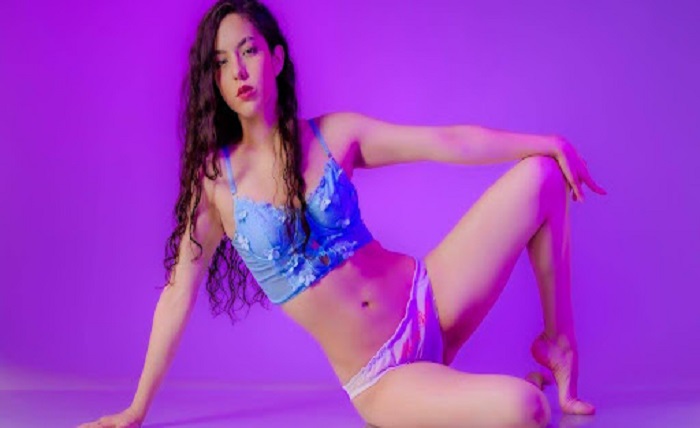
We’ve all had that moment: cute bikini top sorted, then the bottoms betray us. This season, we’re choosing bikini bottoms that feel amazing, stay put, and actually boost our confidence on the beach, at the pool, and in photos we won’t dread later. In this guide, we decode rise, coverage, sizing, and style details so we can pick pieces that love our bodies back.
It’s also worth saying out loud: fit confidence often starts earlier than the fitting room. The way we’re taught to read our bodies especially in childhood and the teen years can shape what “flattering” even means, which is why support from a qualified professional can matter more than any trend cycle.
Let’s find your best-fitting, most flattering bikini bottoms yet.
Decode Fit: Rise, Coverage, And Leg Cuts
Rise Options: Low, Mid, And High
- Low rise: Sits several inches below the navel. Great if we prefer more torso showing or want to lengthen the look of the midsection. Works well on longer torsos; can feel precarious on shorter rises if the elastic isn’t firm.
- Mid rise: Hits around 1–2 inches below the navel. The most universally easy rise, comfortable, stable, and flattering on most bodies.
- High rise: Navel or above. High-waist bikini bottoms smooth the waist, visually cinch the midsection, and pair well with crops or under open shirts. For short torsos, try a V-front high rise to keep the line open and avoid crowding the waist.
Pro tip: If we have a long torso, higher rises balance proportions. Short torso? Mid-rise or V-front high-rise avoids “too much fabric” up top, a reminder that understanding body proportions is just as practical as the guidance we get from a pediatric registered dietitian when learning how small adjustments make a big difference.
Coverage Spectrum: Thong, Cheeky, Moderate, Full
- Thong: Minimal back coverage. Best for no-tan-line goals and confident minimalists: choose compressive, smooth edges so it doesn’t wander.
- Cheeky: Shows a third to half the cheek. Often the most flattering compromise, lifts visually without feeling bare.
- Moderate: Classic swim bottom coverage. Comfortable, secure, and versatile: ideal for active days.
- Full: Maximum coverage on seat and hips. Great for comfort, sun protection, and those who want a more classic look. Look for contouring seams to prevent a “diaper” effect.
Our rule: coverage is not a moral choice. Pick the amount that makes us forget we’re wearing it.
Leg Openings And Torso Length Considerations
- Higher-cut leg: Lengthens legs and glutes: a curved, French-cut opening that rises slightly in front flatters most. Ensure the elastic at the leg is soft so it doesn’t dig.
- Straight or low-cut leg: More coverage and security. If it cuts straight across a fuller hip, consider a slightly higher curve to avoid muffin-ing.
- Torso length: Long torso? Higher rise + higher leg cut balance top-to-bottom. Short torso? Mid rise + medium leg cut keeps lines clean. If bottoms roll at the waist when we sit, the rise may be too high for our torso length or the waistband too narrow.
Find Your Size With Confidence
Measure Waist And Hips Accurately
- Natural waist: The narrowest part of our midsection (usually above the navel). Measure snug, not tight.
- Hip: Around the fullest part of our seat (often 7–9 inches below waist). Keep the tape level. We aim for consistent measuring rather than chasing a number.
If we’re between sizes, note both. Consistency beats perfection.
Use Size Charts And Sister Sizing
- Start with the brand’s chart, every swim brand fits differently. If our waist aligns to a small but hips say medium, pick based on comfort priorities: more hold (waist) vs. no pinch (hips). For curvy hips, size up and use adjustable sides for cinching.
- Sister sizing: Some brands offer numerical sizes (e.g., 4/6/8). If the waistband fits but the seat rides up, go one size up in bottoms: we can adjust ties or opt for firmer fabric to maintain support.
- Read fit notes: Look for mentions like “runs small,” “compressive,” or “ultra-stretch.” Reviews that match our body type are gold.
Account For Fabric Stretch And Recovery
- Fabric mix: 15–25% elastane (spandex) signals more stretch. Recycled nylon blends are common: polyester blends resist chlorine fade better.
- Recovery: We want the fabric to “snap back.” If we pull it and it stays wavy, it may bag out in water.
- Lining: Double-lined fronts or full lining add opacity and stability. Power-mesh panels increase shaping without adding bulk.
General rule: If a style is ultra-stretchy and unlined, consider sizing down for security. If it’s compressive with power mesh, true-to-size is typically best.
Styles That Support Different Needs
Tummy Support: High-Waist, V-Front, And Ruching
- High-waist with a wide waistband smooths without squeezing. A V-front dips slightly at center to elongate the torso and avoid rolling when we sit.
- Ruching and cross-front panels visually soften the midsection while allowing the fabric to flex with movement.
- For diastasis recti or postpartum cores, look for hidden power-mesh or bonded panels rather than stiff, corset-like compression.
Adjustability: Tie-Sides, Side Tabs, And Cinches
- Tie-sides: Customizable and vacation-friendly, great when our body fluctuates day to day. Double-knot ties for security.
- Side tabs with sliders: Cleaner look than strings: we can micro-adjust fit on each hip.
- Back ruching or center seams: Create lift and definition on the seat without needing a smaller size.
Curves, Athletic Builds, And Postpartum Considerations
- Curvy hips/glutes: Cheeky-to-moderate coverage with a higher leg opening reduces digging. Choose a taller back rise so the waistband stays level.
- Athletic or straighter builds: V-fronts, angled seams, and textured fabrics add curves. Brazilian-cheeky cuts can create shape without gaps.
- Postpartum or fluctuating sizes: Adjustable sides + forgiving fabrics. Skip narrow waist elastics: opt for 2–3 inch waistbands or cross-fronts that move with us.
Comfort-First Features You’ll Actually Feel

Seams, Bands, And Elastic That Don’t Dig
- Look for clean-finish or bonded edges at the leg and waist. Zig-zag stitches should lie flat: bulky overlock seams can chafe.
- A wider waistband distributes pressure so it doesn’t cut in. If we see sharp indentations after five minutes, that’s our sign to size up or switch styles.
Soft Linings, Gussets, And Period-Friendly Options
- Soft, quick-dry linings prevent irritation. A breathable gusset (the inner panel) matters more than you’d think.
- Period-friendly swim bottoms use discreet, absorbent gussets designed for light flow or backup with a cup, handy for beach days without scheduling stress.
Stay-Put Elements For Swimming And Sport
- Silicone grippers, internal drawcords, and slightly higher back rises keep bottoms in place for laps or surfing.
- Compressive fabrics with 4-way stretch won’t bag out once wet. If we plan to play volleyball, paddleboard, or dive off docks, prioritize these features over purely decorative ones.
Color, Prints, And Mix-And-Match For Confidence
Balance Proportions With Color-Blocking
- Darker panels where we want subtlety: brighter or lighter where we want emphasis. A darker waistband with a lighter body can carve out the waist visually.
- V-shaped color-blocking draws the eye inward and down, lengthening legs.
Use Prints, Textures, And Shine Strategically
- Micro-prints and matte textures downplay, while bold graphics, ribbing, and shimmer highlight.
- Vertical or angled motifs elongate. Horizontal bands widen, use them intentionally.
Mix Tops And Bottoms For Your Ideal Set
- We don’t have to stick to one-size-fits-all sets. Pair a supportive top with a cheeky bottom or mix a bright top with a neutral bottom for balance.
- Keeping a “capsule” of two bottoms (one cheeky, one moderate) and two tops unlocks multiple looks without extra shopping.
Try-On Checklist And Common Fit Fixes
Move Test: Bend, Sit, And Swim-Ready Checks
- Sit, squat, and twist, if the waistband rolls, the rise or elastic isn’t right for our torso.
- Walk a few laps and lift arms like we’re reaching for a beach bag. If the back creeps inward, we need more coverage or a taller back rise.
- Light “splash test” in the shower for opacity and colorfastness on darker fabrics. Pat dry with a towel, no wringing.
Diagnose Gaping, Pinching, And Rolling
- Gaping at back waist: Bottoms too big or too straight for a curvy seat: try a style with center-back seam or size down.
- Pinching at hips/legs: Elastic too tight: choose wider bands, softer finishes, or increase coverage.
- Rolling waist: Rise too high for our torso, waistband too narrow, or fabric too soft. Try a V-front high rise or a wider, double-layer waistband.
Quick Fixes: Ties, Inserts, And Minor Alterations
- Retie sides symmetrically and double-knot. For string styles, a tiny dab of clear elastic inside knots keeps them secure.
- Seamstress tweaks: Shorten side seams slightly, add a hidden stitch at the back waist, or replace a too-tight elastic with a softer band.
- Silicone grip strips or fashion tape can help for a one-off event: for daily wear, invest in a better-fitting pair.