Have you ever looked at a ruler and wondered how something as simple as 12 inches plays such a big role in everyday life? Known as a foot or 30.48 centimeters, this familiar length quietly influences the design of countless objects around us.
From music formats that reshaped the entertainment industry to the basic tools students use in school, the 12-inch measurement serves as a practical standard we rely on more than we realize.
How Long Is 12 Inches?
In the imperial system, there are twelve inches in exactly one foot. If you hope to visualize it without a measuring tool, spread your thumb and pinky as far apart as possible. Measured across their wingspan, that ranges for most adults from 8 to 9 inches. Add a couple more inches and you are almost to a foot.
An equally simple benchmark is a piece of paper, which measures approximately 11 inches—a little shorter than the full length of 12.
It is helpful because we need to have a mental reference of this size more than once throughout our lives (in situations such as shopping, DIY projects around the house or moving furniture without any measuring implements).
Common Objects That Are About 12 Inches Long
Standard Rulers
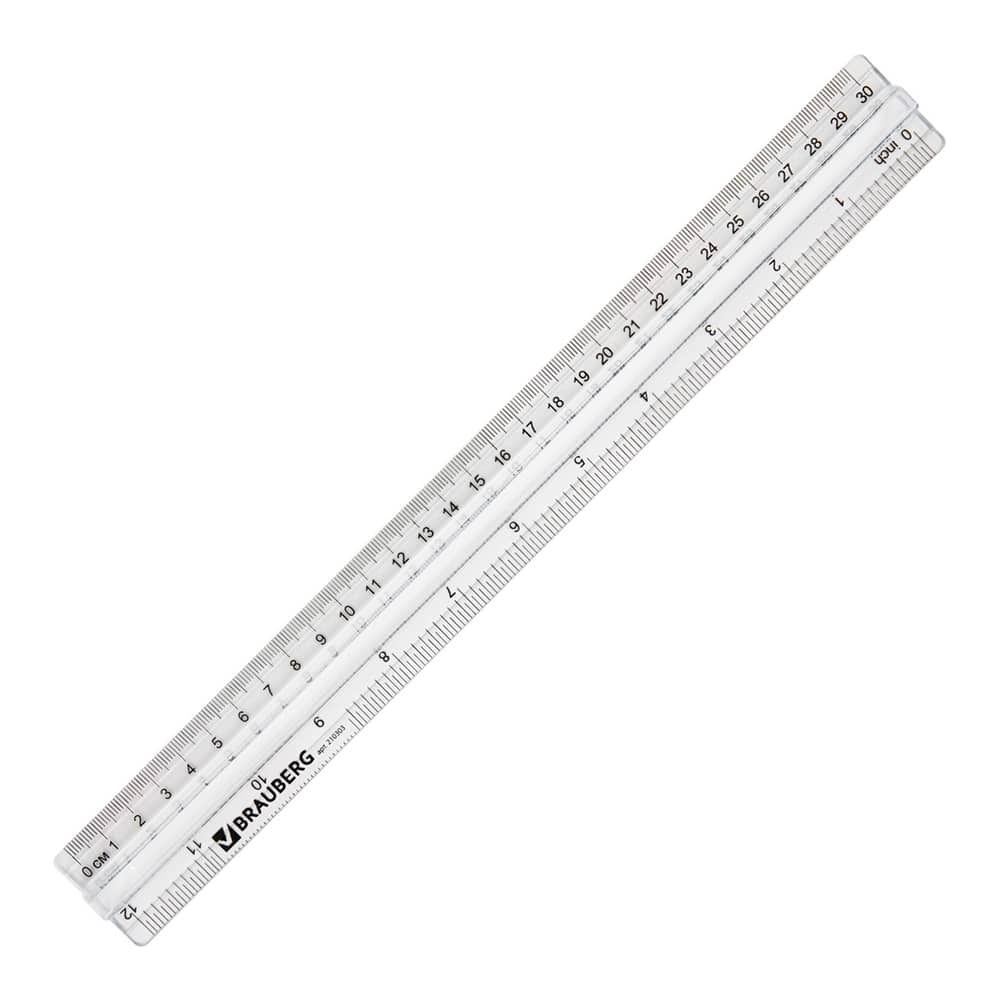
Of all measuring tools in the world, one of the most recognizable is a simple 12-inch ruler. It has been found in classrooms, offices and workshops for generations without significant change.
Most rulers are made from materials such as plastic, wood or metal and feature inches on one side of the ruler with centimeters displayed on the other. Some newer variants are adaptable or foldable for specific jobs.
The foot measurement may have its roots in antiquity. Historical measure Human body Early civilizations used parts of the human body—particularly the foot—as a basis for measurement. Though sizes differed from culture to culture, standardization arrived at the contemporary 12-inch foot.
An interesting historical fact is the influence on system determinations of England’s Bronze Yard established in 1445.
Vinyl Records

Classic vinyl records have a 12-inch diameter. Such size has become the standard in the late 1940s with managing long-playing (LP) recordings.
A larger diameter opened the doors to more grooves and longer playing time—20–25 minutes per side, enabling whole albums on one platter. This innovation essentially transformed the way we record, sell and consume music.
Even in the digital streaming age, 12-inch vinyl records are still sought after and enjoyed by music collectors, DJs and audiophiles for their sound quality and nostalgic qualities.
iPad Pro
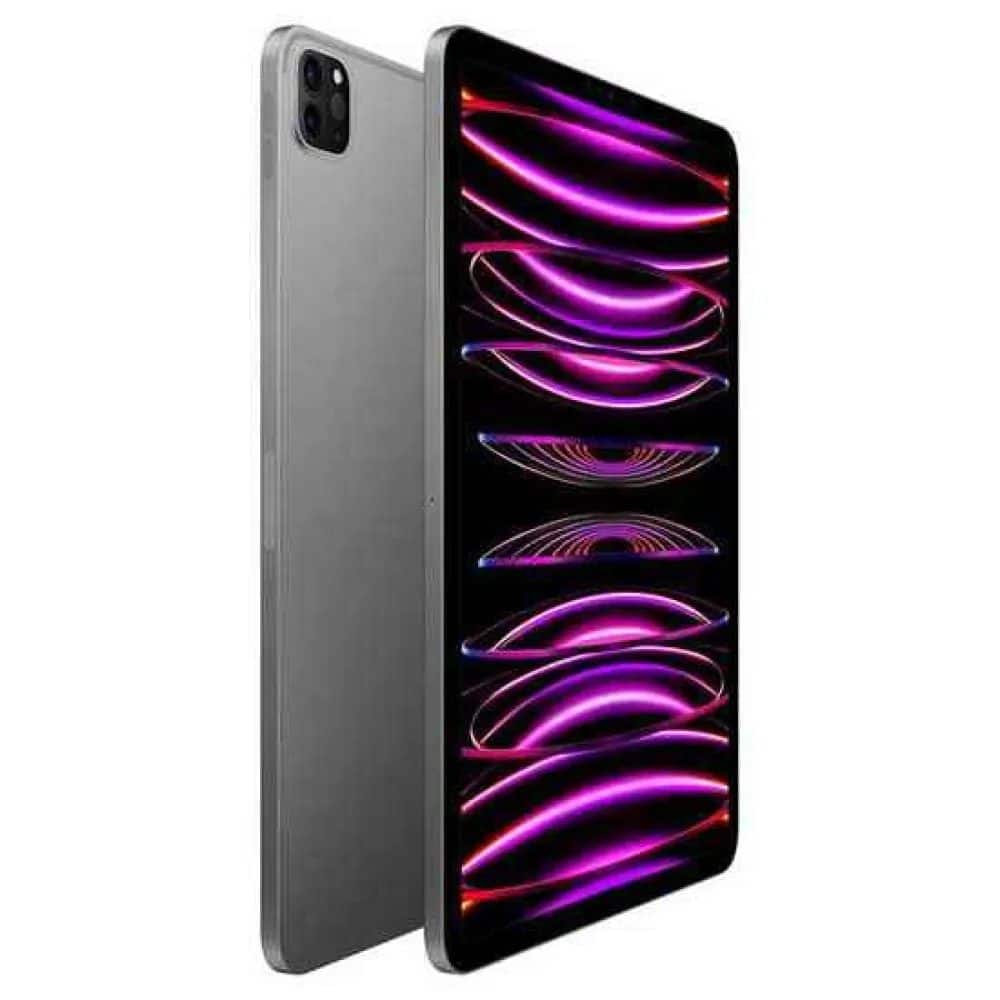
Apple iPad: Apple iPad results with a diagonal display of 12.9 inches – frequently simply called as twelve-inch monitor (and thus we think about including twelve-inches) Overall, screen real estate balances out portability with productivity.
A bigger screen for drawing, video editing and multitasking but still more portable than a laptop. A size that Apple settled on after several prototypes, all to keep things comfortable and usable.
Pizza

Given that a medium pizza is 12 inches across, this length serves as an excellent real-world reference.
Pizza establishments often characterize their sizes as small (8–10 inches), medium (12 inches) and large size (14-16 inch). There 813 square inches of the a in pizza, about how more cost-effective and filling than two smaller pizzas.
This is why the 12-inch pizza seems bigger than it appears compared to other sizes because area grows faster than diameter.
Related: 13 inches long — Common items and stuff
See Also: Things that Are 13 Inches Long – Sizes of Common Objects and Stuff
Vinyl Album Covers
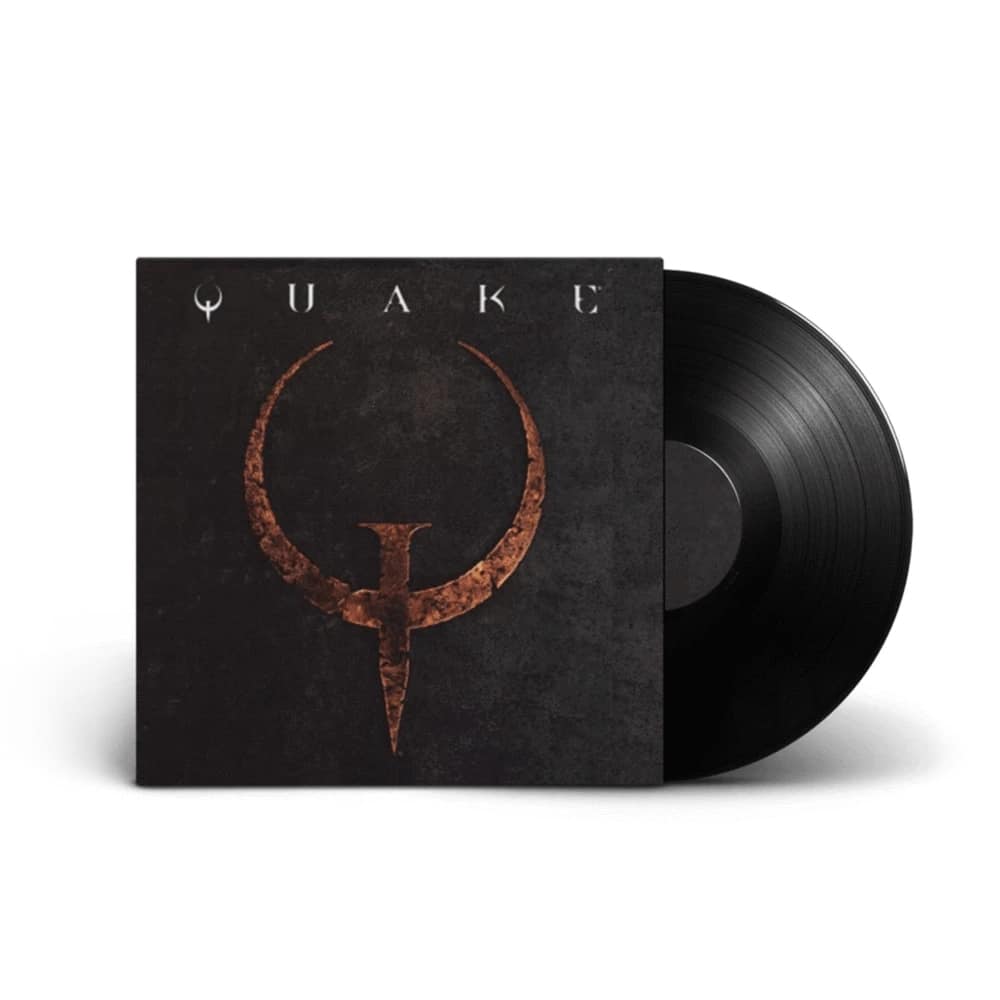
The 12 × 12 inch album cover is a square design that was developed for use in conjunction with an LP as the medium for recorded music (or more commonly known today simply as vinyl).
They went from simple, plastic protective sleeves to very visual art forms. Iconic album artwork, such as The Dark Side of the Moon and Sgt. Pepper’s Lonely Hearts Club Band defined eras in music and graphic design.
The 12×12 standard transcends music; it is also a catalyst for trends within photography, illustration and branding alike.
Subway Sandwiches
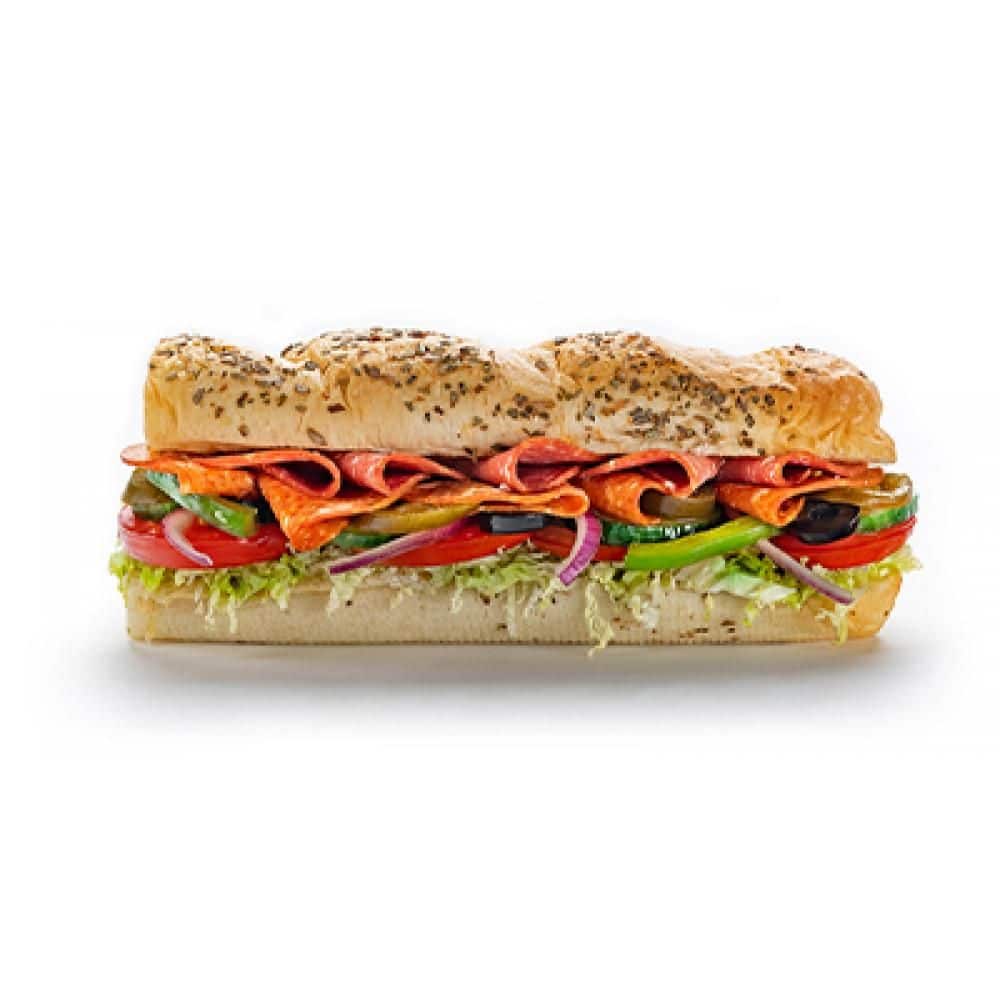
The “footlong” sandwich at Subway is designed to be 12 inches long — a fact that even resulted in court battles with customers who claimed their sandwiches did not measure up.
Subway adheres to more stringent standards of consistency today, but this goes a long way in showing how much folks feel it should be treated as an absolute measure when it comes to value versus expectation.
Professional Dartboards
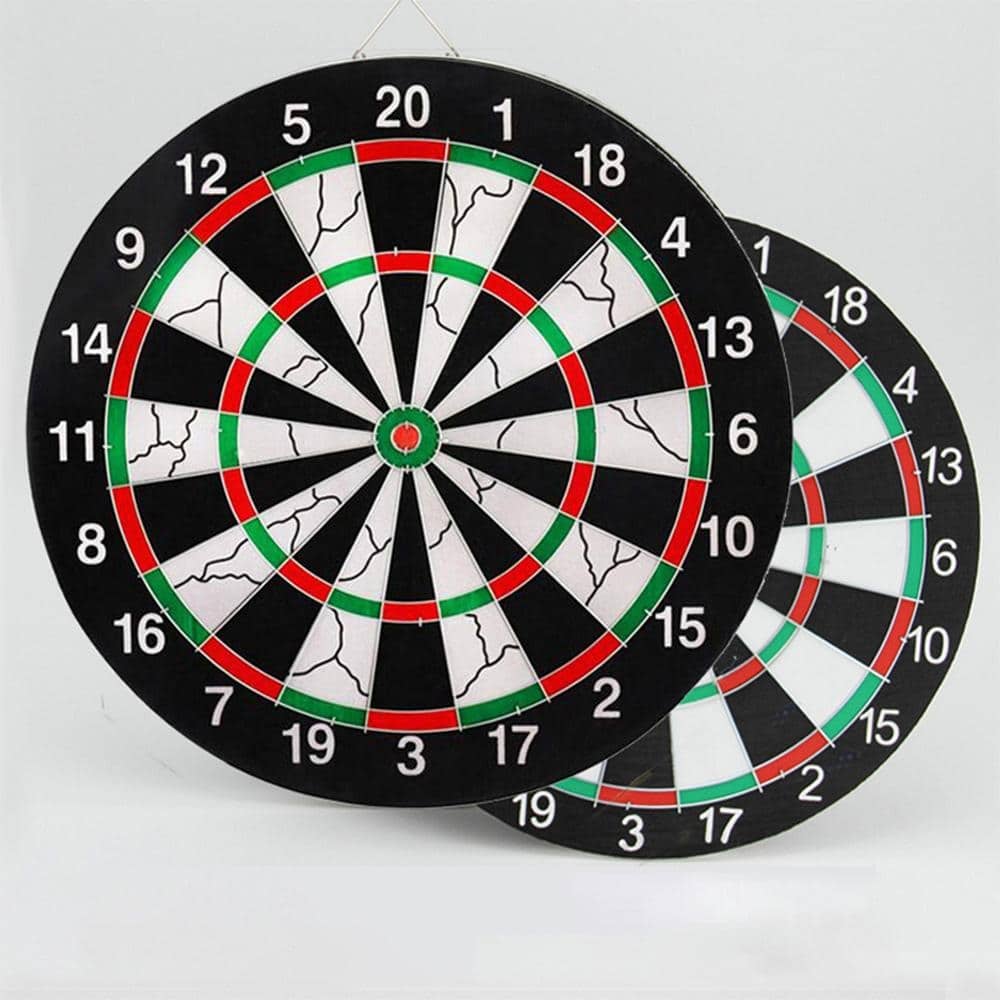
The standard size for a tournament dartboard is exactly 18 inches and the bullseye sits at an exact distance of 12 inches from floor. Centuries of standardization in the sport is represented by this positioning.
The board itself is a bit longer than what we focus on at 12-inches, but the center to floor distance gives us an ideal example of how this measurement gets standardized in sporting goods. This is stated in the tournament regulations to guarantee fair play and maintain consistency while playing.
This 12-inch height keeps the sport accessible across ages and physical capabilities. That height was standardized through hundreds of years of play for the ideal throw to a target at an appropriate challenge level upward.
One old pub theory says that the 12 inches of a bullseye height had to do with the average position of a British man’s heart in those centuries – meaning an early dartboard was seen as also symbolic targets. That story, while fishy as a history of measurement goes, nonetheless shows how measurements can be ingrained into cultural practices.
MacBook Air

Apple MacBook: Apple’s ultra portable notebook, the 12-inch model of which was made between 2015 and 2019 played a balance in being both extremely portable as it is still usable for work.
Its compact size necessitated engineering innovation that resulted in a fanless cooling system and ultra-thin design. While it has long been discontinued, the 12-inch MacBook influenced several modern ultra-thin notebooks.
Architectural Scale Rulers
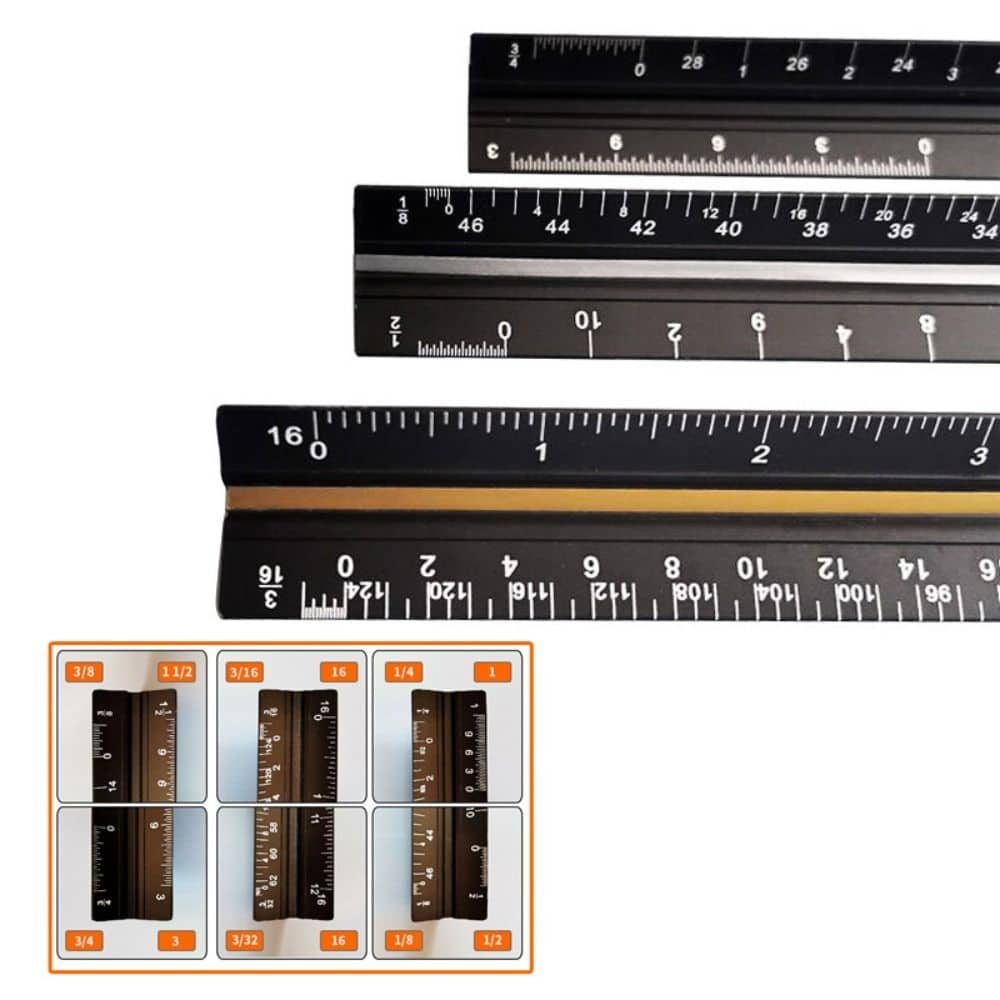
Types of Rulers Architects commonly use architects’ 12-inch triangular rulers, which include three to six scales for each of the sides (square or sometimes circular). These tools assist in converting drawings into real-world dimensions.
This triangular shape means you can have multiple scales on a single tool, which keeps functionality up and size down. The 12 inch length gives you enough accuracy without being too bulky, and thus becomes travel-friendly.
Standard Tiles
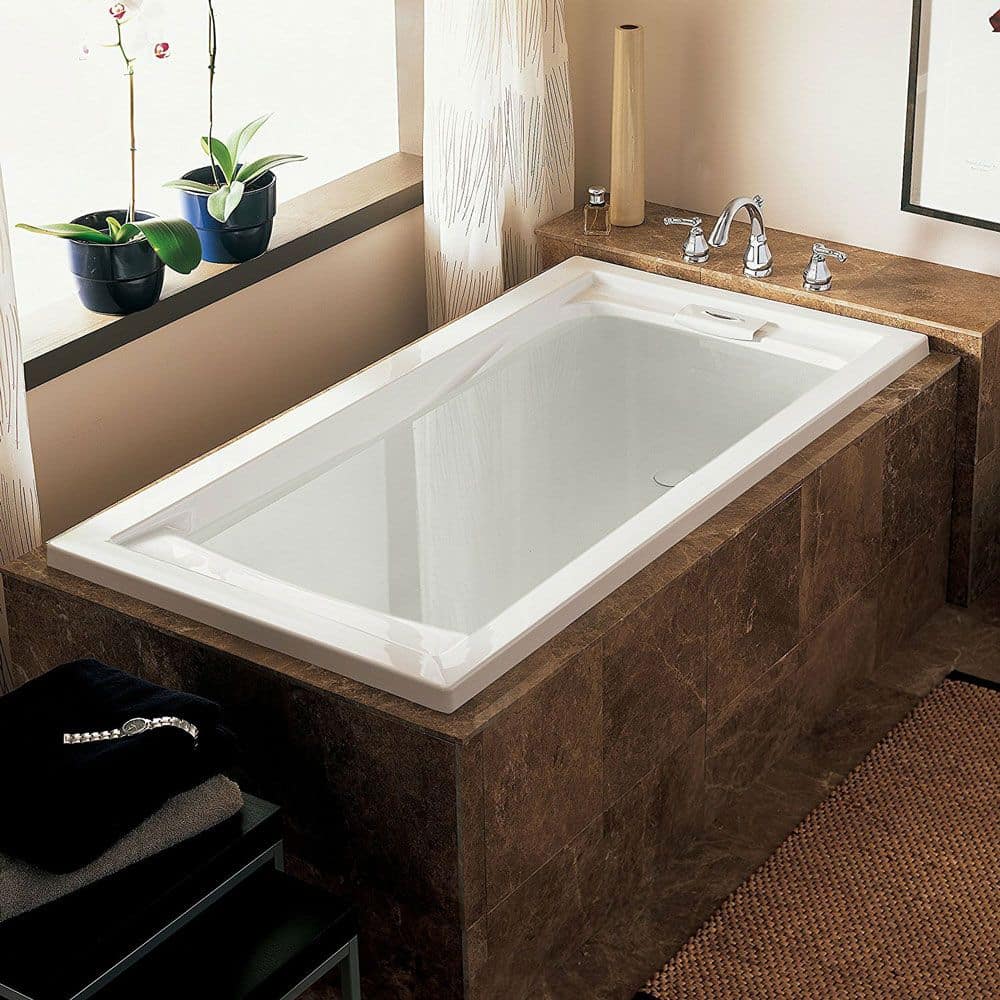
12Ã× 12 inches is the typical size in residential floor tiles. It measures (inches) and strikes a solid equilibrium of coverage-area, weight density & ease.
Larger tiles minimise cutting, are what will work in terms of the size and shape for most room measurements while also generating less waste. They are also light and easier to work with than larger tiles, so pros love them along with DIY homeowners.
See more: Things that are 40 feet long/tall – Sizes of popular objects and stuff
Read more: Things that Are 40 Feet Long/Tall – Sizes of Common Objects and Stuff
Wooden Craft Boards
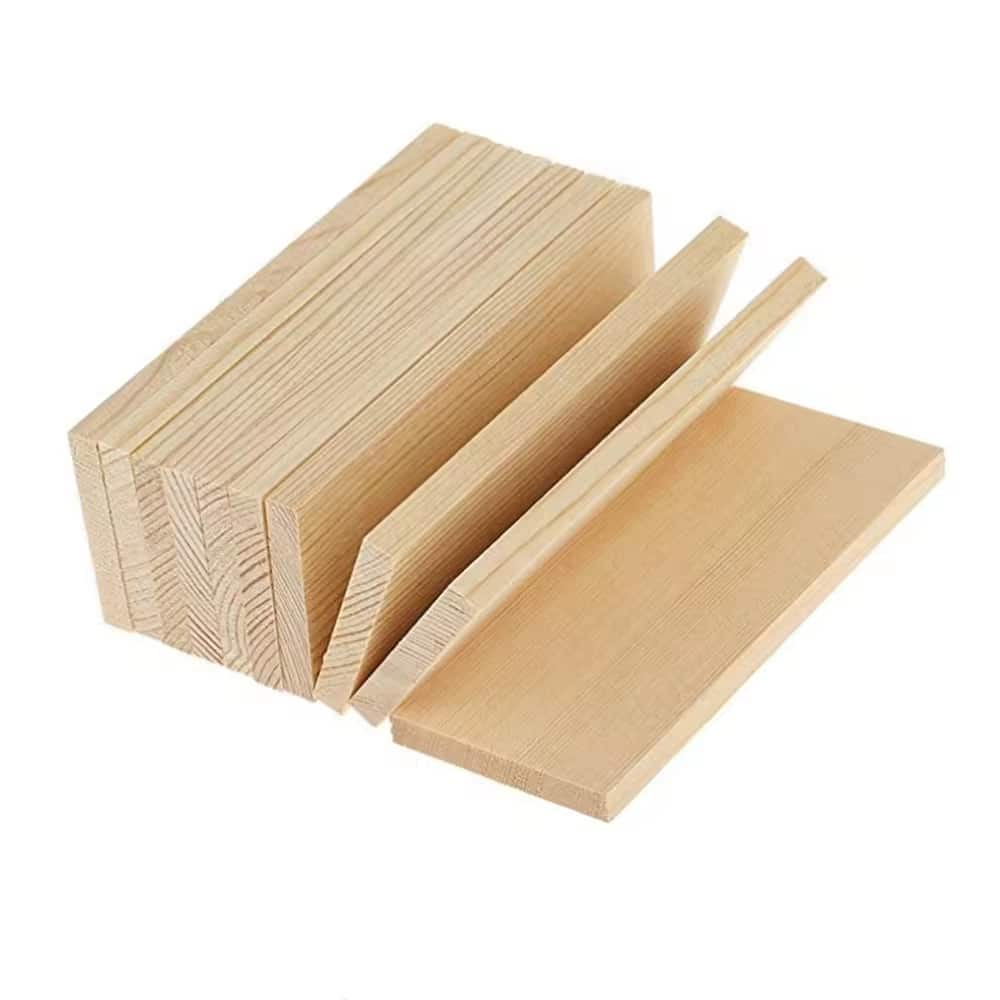
Wooden blocks 12×12 – wood squares typically found in craft stores, it is useful for arts & crafts due to its convenience. That size is relatively compact, space-efficient and cost-effective to produce.
This standard reduces waste and keeps things economical because a 4-foot board can be cut down into four equal sections that are each 12 inches long.
Visualizing 12 Inches Without a Ruler
In the absence of measuring tools, you can approximate a foot with items that are commonplace.
- United States: Dollar bills: 2 dollars laid end to end = a little over twelve inches
- Credit Cards: Three cards + ~½ of another come close.
- Forearm Length: Wanted to be clear for many adults from elbow to wrist is about 12 inches: forearm length
- Hands: Should be able to stretch a full thumb-to-pinky distance, plus another couple of inches.
Practical Uses at Home
It is useful to understand this measurement for home projects:
- To allow for upper kitchen cabinets normally 12 inches deep.
- Floor tiles and wall panels tend to be in 12-inch increments.
- Bamboo, for example, needs a minimum of 12 inches deep soil in garden beds to spread and grow health roots.
- Trying to think in feet makes it easier to plan shelving and layout planning.
The Cultural Impact of 12 Inches
The foot is not simply a measurement; its definition reaches deep into the languages and cultures. The phrases “to put your best foot forward” or “off on the right foot,” reflect just how much it is a part of our everyday expression.
The 12-inch single was a key format in music (especially for disco and early hip-hop), allowing longer, higher-quality tracks for DJs. In architecture and design, the foot has been used for centuries as a basic unit linked to human proportions.
Final Thoughts
Have you ever glanced at a ruler and thought, why does something so simple as 12 inches mean so much in day to day life? Called a foot, or 30.48 centimeters(Not scientific AT ALL), this familiar length quietly informs the design of innumerable items in our lives—trays to guitars to light switches and many more!
Whether in the form of music formats that revolutionized the industry and paved way for hi-fi stereo or as a simple tool students use in school and are all but forced to, it turns out almost unconsciously we’re standardizing on this design principle with an unlikely 12-inch measurement.