Ever stood in the snack aisle, staring at a wall of potato chips and wondered why there are so many different sizes? From tiny single-serving bags that barely satisfy a craving to family-sized monsters that could feed a small gathering, chip bags come in a weirdly wide range of dimensions.
It’s not random. There’s psychology, economics, and a whole lot of marketing wizardry behind every inch of those crinkly packages.
How Big Are Standard Chip Bags?
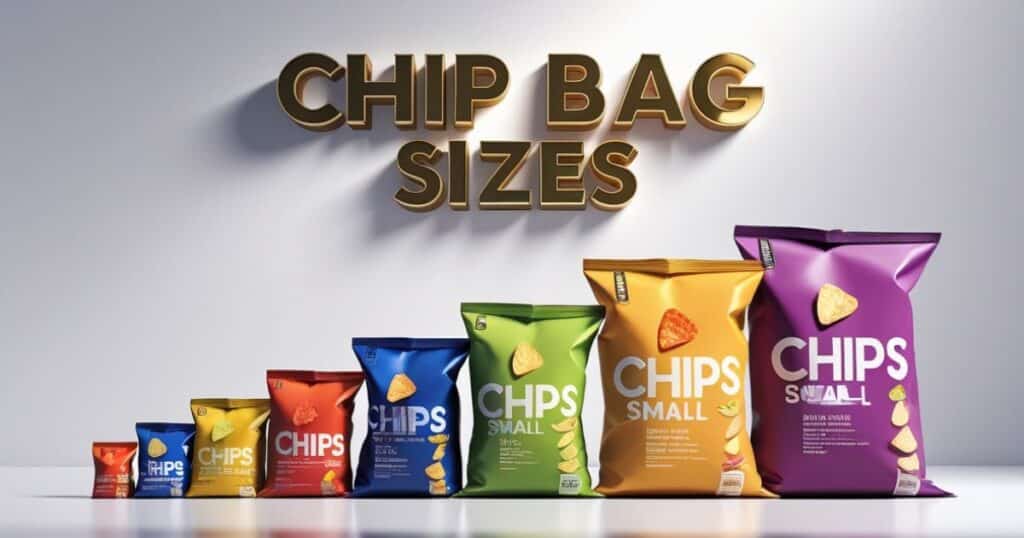
Chip bags generally range from about 1 ounce (single-serve) to 16 ounces (party size), with the most common “regular” size sitting around 7–8 ounces.
But weight only tells part of the story. What really matters is the physical size, because that affects everything from shelf placement to how easily you can reach in without turning the bag into a crumpled tragedy.
The Evolution of the Chip Bag
Chip packaging has changed a lot since the early days. When potato chips first became popular in the early 1900s, they were sold in basic paper bags or metal tins.
As preservation tech improved, packaging evolved with it. The modern flexible, foil-like bags most people recognize (often metallized plastic film) took off in the 1950s and 1960s, making chips easier to ship and keep fresh longer. That one change helped snack brands expand beyond local markets into national giants.
The Psychology Behind Sizing
Manufacturers don’t pick sizes because they “feel right.” They pick them because they sell.
People don’t think in pounds of chips. They think in moments:
- “Just me right now”
- “Sharing with two people”
- “Party bowl situation”
So sizes are built around occasions, not logic.
Standard Chip Bag Sizes With Real-World Comparisons
Single-Serve Bags (1–2 oz)
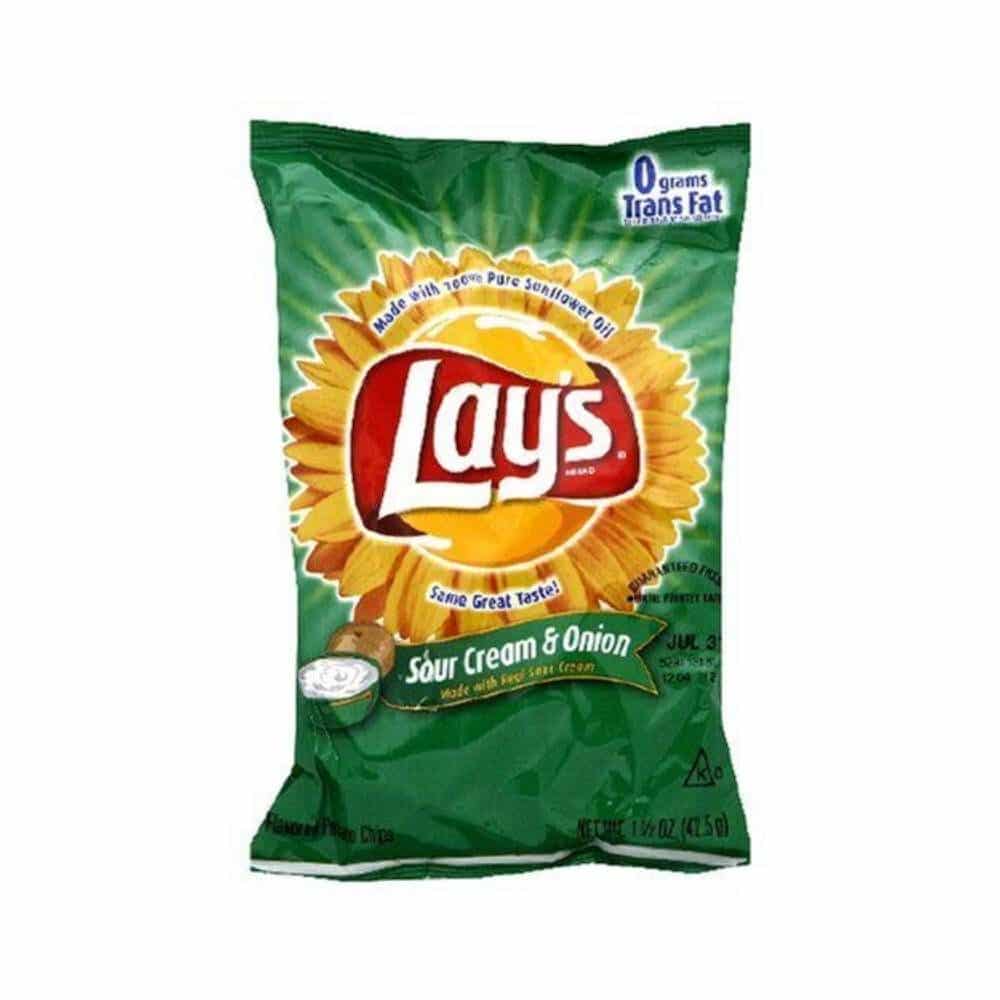
These mini bags usually measure around 5–7 inches tall and 3–4 inches wide. You’ll see them in vending machines, convenience stores, and lunch multipacks.
They’re designed for:
- portion control
- grab-and-go snacking
- food service add-ons (sandwich shops love them)
Fun (and mildly depressing) truth: most people eat whatever’s in front of them. Smaller packages often reduce mindless overeating simply because there’s less to finish.
Regular Size Bags (7-8 oz)
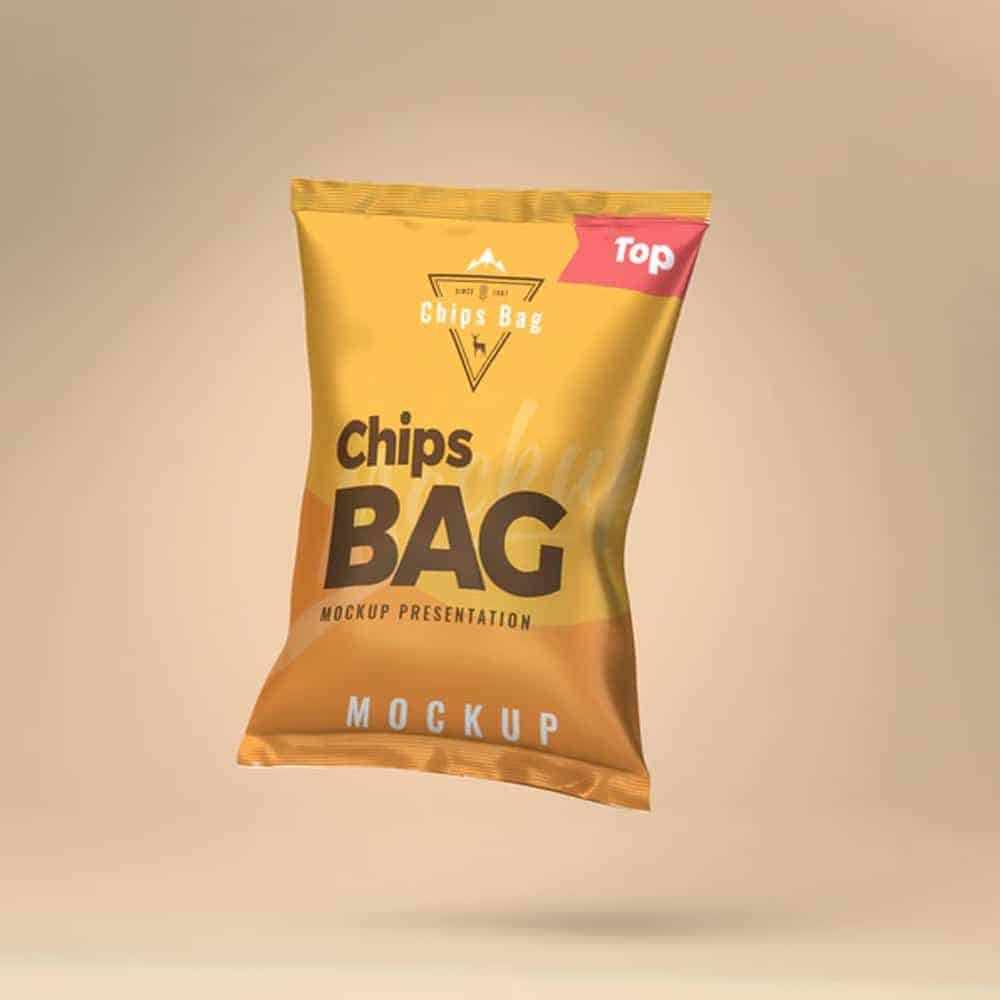
These are the workhorses of the chip aisle, typically around 9–12 inches tall and 6–7 inches wide.
They’re meant for:
- personal snacking at home
- small hangouts
- “I’ll close it and save some” optimism (rarely accurate)
Over time, regular bags have subtly grown, because portion sizes in general have inflated. What counted as “family size” decades ago would often be sold as “regular” now.
And yes, they’re engineered to look fuller than they are. That practice is called slack fill, and it’s not only marketing (more on that below).
Family Size Bags (9-10 oz)
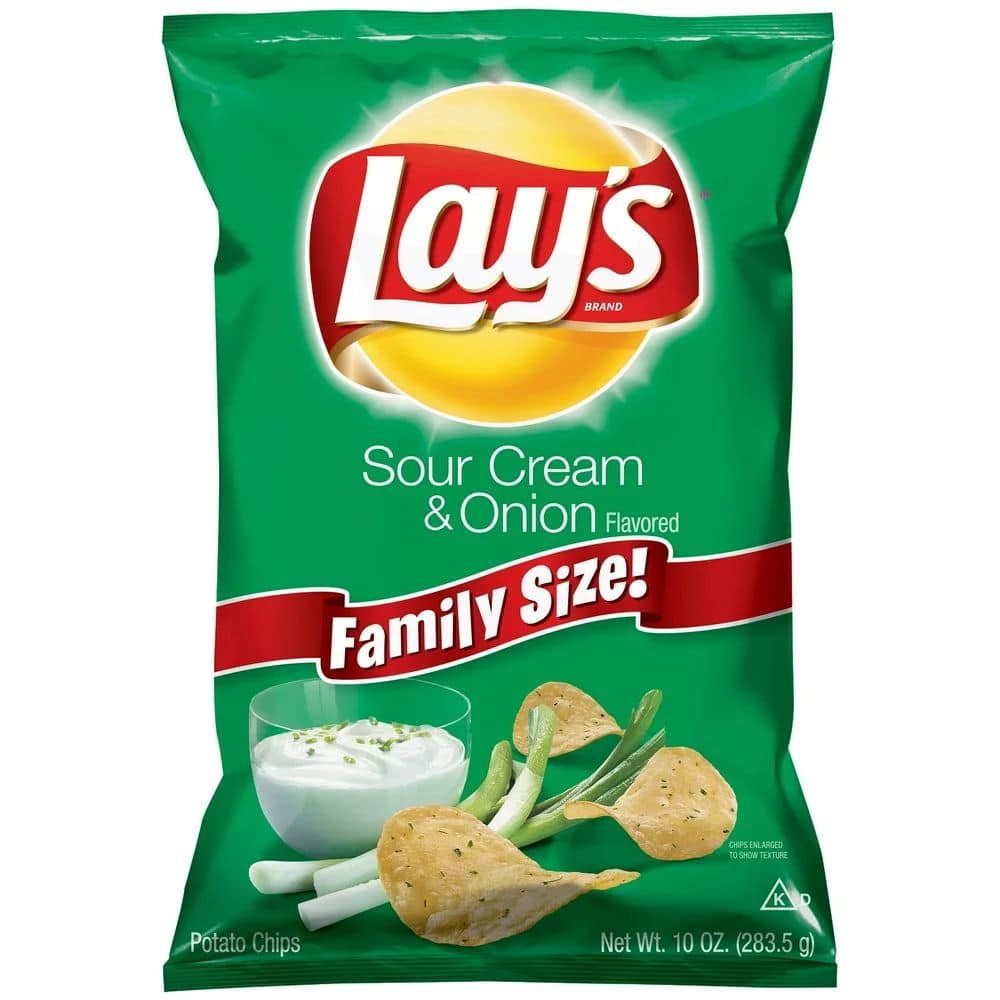
These bags usually measure 12–14 inches tall and 7–8 inches wide, and they’re aimed at households where multiple people snack from the same bag.
They feel like a bargain because they often cost only slightly more than a regular bag while giving noticeably more chips. That “upgrade effect” is very intentional.
They also tend to have stronger sealing areas because they’re expected to be opened and closed more than once (humans love “saving some for later,” even when they don’t).
Party Size Bags (13-16 oz)
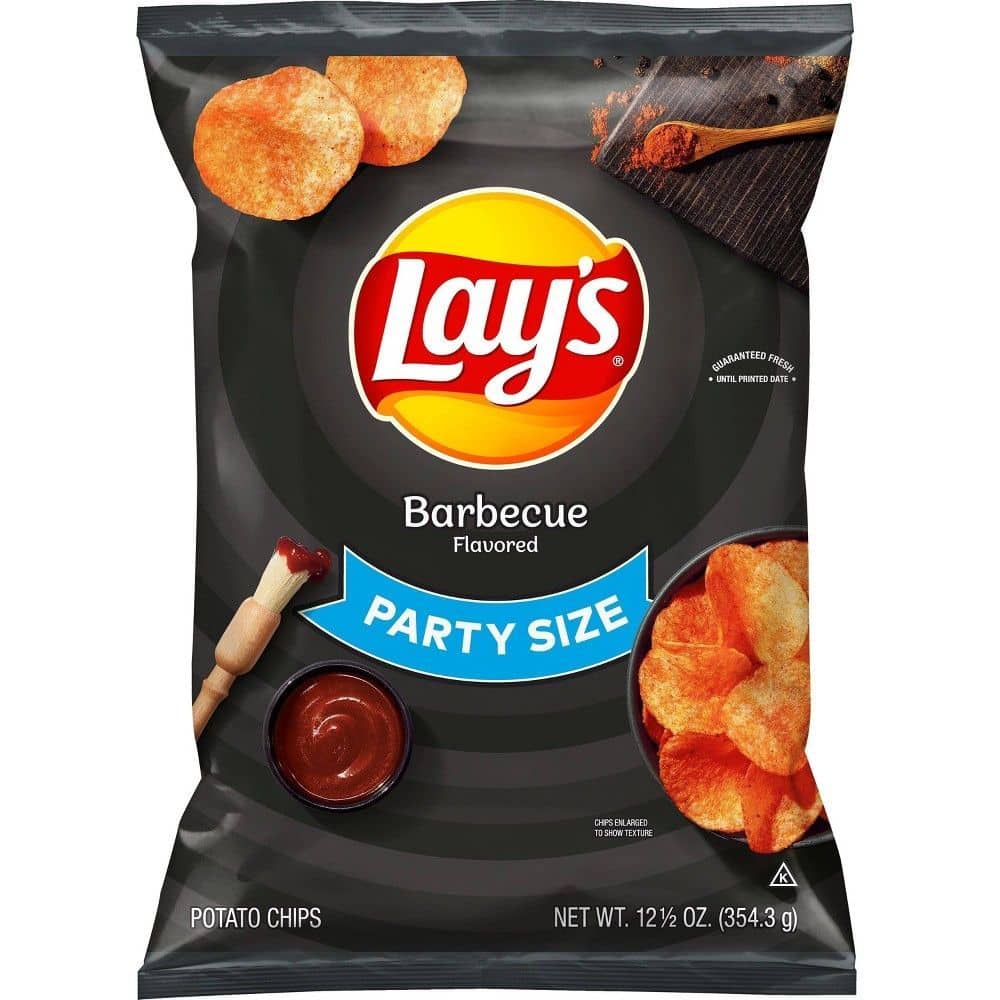
These are the giants: typically 15–18 inches tall and 8–10 inches wide.
They’re built for:
- gatherings
- events
- situations where “portion control” has left the building
They usually offer the best price-per-ounce, but they also compete with warehouse bulk snacks, so brands often use special flavors or limited-time labels to make them feel more “worth it.”
The Science Behind the “Air” in the Bag
That “too much air” isn’t just there to annoy you. It serves real purposes:
-
Protection: cushions chips during shipping so you don’t open a bag of dust
-
Freshness: the bag is typically filled with nitrogen, not oxygen, to slow staleness
-
Shipping efficiency: flexible bags pack into boxes without crushing everything
So yes, it’s partly perception. It’s also partly physics.
Why Bag Dimensions Aren’t Random
Chip bag sizes are constrained by:
-
Material limits: flexible films have strength limits. Too big and the bag tears or bursts under its own weight.
-
Shelf and box standards: stores and shipping cartons are built for predictable package widths and heights.
-
Human ergonomics: most adults comfortably grip packages in the 5–8 inch width range, which shapes design decisions.
Also: packaging machines are expensive divas. Changing bag formats isn’t simple. Manufacturers prefer small tweaks instead of dramatic redesigns because retooling costs serious money.
See Also: Gatorade Bottle Dimensions – Sizes of Common Objects and Stuff
Regional and Cultural Variations in Chip Bag Sizes
International Perspectives
Chip bag sizes vary significantly across different countries and cultures:
In Japan, individual portion control is emphasized, with many chips sold in packages containing individually wrapped single-servings within a larger bag.
European chip packages tend to be 15-30% smaller than their American counterparts, reflecting different snacking patterns and household sizes.
In emerging markets like India, “sachet marketing” has led to ultra-small packaging (sometimes just containing 5-10 chips) sold at extremely low price points to make brands accessible to all economic levels.
Cultural Influences on Packaging
American chip bags have gradually increased in size over decades, reflecting broader trends in portion sizes throughout the food industry. What was considered a “large” bag in the 1970s would likely be marketed as “regular” today.
In contrast, countries with space constraints like Japan and parts of Europe have emphasized packaging efficiency. British chip bags (called “crisps”) are typically more compact and less air-filled than their American counterparts.
Sustainability concerns are now influencing chip bag dimensions globally. Several European manufacturers have reduced package sizes while maintaining the same amount of product, minimizing materials used.
The Marketing Psychology of Chip Bag Sizes
Price Point Strategy
Chip manufacturers strategically design bag sizes to hit specific psychological price points. The common $1.99, $3.99, and $4.99 price targets often determine how many ounces go into each package.
Marketing research consistently shows consumers perceive greater value in larger packages, even when the price per ounce doesn’t represent significant savings. This perception drives the trend toward larger “value” and “family” sizes.
“Consumers often make quick decisions based on package size rather than calculating the price per ounce,” explains retail analyst Jennifer Blackburn. “That’s why you’ll see subtle manipulations of package dimensions to create the impression of greater value.”
Don’t miss out on reading about best puns on the internet.
Visual Impact and Shelf Presence
The dimensions of chip bags are carefully calibrated for maximum visual impact on store shelves. Heights are often exaggerated compared to width to increase visibility in competitive shelf environments.
Brand managers battle for what the industry calls “facing space” the amount of visible product area when displayed on a shelf. Wider bags claim more visual territory and attention from shoppers.
Package designers use optical illusions and color psychology to make bags appear larger than they actually are. Expanding graphics toward edges and strategic use of color gradients can make two identically sized packages appear different in volume.
Measuring and Comparing Chip Bag Sizes in Everyday Life
Practical Comparisons for Standard Bag Sizes
Single-serve bags (1-2 oz) are roughly the size of a standard envelope or small smartphone.
Regular bags (7-8 oz) are approximately the length of a standard piece of printer paper.
Family size bags (9-10 oz) typically stand as tall as a two-liter soda bottle.
Party size bags (13-16 oz) often reach the height of a small laptop computer when stood upright.
DIY Measurement Tips Without a Ruler
Need to estimate chip bag sizes without measurement tools? Try these everyday comparisons:
A credit card is approximately 3.37 inches wide use it to gauge the width of smaller bags.
The average adult hand span (pinky to thumb when stretched) is about 8-9 inches perfect for estimating the width of larger bags.
A standard US dollar bill is 6.14 inches long use it to measure smaller bag dimensions.
See Also: Pringles Can Dimensions – Sizes of Common Objects and Stuff
Environmental Impact of Chip Bag Sizes
The Sustainability Question
Larger chip bags generally have better product-to-packaging ratios, making them somewhat more environmentally friendly per ounce of chips. However, they may encourage overconsumption.
The flexible plastic used in most chip bags presents recycling challenges. An estimated 8 billion chip bags are produced annually in the US alone, with the vast majority ending up in landfills due to the mixed materials used in their construction.
Several companies are experimenting with more sustainable packaging options, including compostable materials and reduced package dimensions to minimize environmental impact.
Innovations in Packaging Efficiency
Frito-Lay and other major manufacturers have reduced packaging material by as much as 10% in recent years through technological innovations while maintaining the same product protection capabilities.
Some brands have introduced more rectangular bag shapes that allow more efficient packing during shipping, reducing the carbon footprint associated with transportation.
Researchers are developing new materials that maintain the same protective qualities while being more environmentally friendly. Bioplastics derived from plant materials show particular promise for future chip packaging.
Read the best prayers you will find on the internet on
Conclusion
Chip bag dimensions are the intersection of engineering, marketing, psychology, and cultural habits. They’re designed to protect the chips, look appealing on shelves, hit price points, and nudge your brain into choosing “more.”
Next time you grab a bag, it’s worth noticing: are you picking the size that matches what you actually want, or the size that was designed to feel like the “best deal”? The answer is usually less flattering than people like to admit.