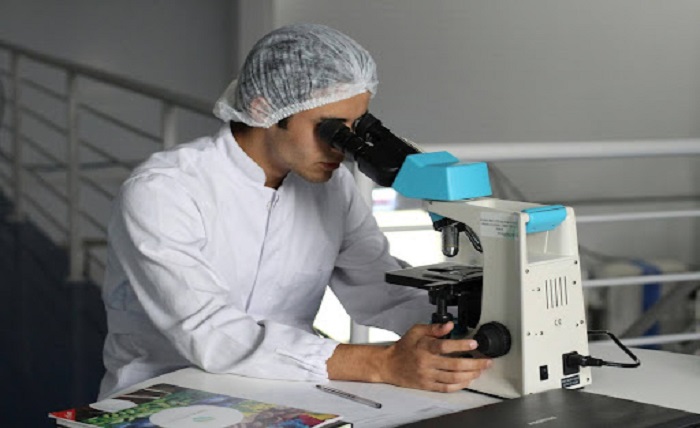
Science is swimming in data. Every experiment generates a mountain of information. The old approach was slow. Scientists made one change. They then waited weeks for a result. This is no longer enough. A new wave is here. It merges computational power with biological design.
This fusion is creating an explosion of discovery. The process is becoming less like a craft. It is becoming more like an engineering discipline.
From Guessing to Programming
Traditional genetic tinkering relied on instinct. It was an art form. Researchers made their best guess. Then they hoped for a useful trait. This was slow. It was also unpredictable. The field of synthetic biology changed everything. It introduced a core principle. Biology can be standardized. DNA parts are treated like building blocks.
These blocks have predictable functions. This shift turns biology into a programmable system. You write code, but the language is DNA. This new perspective is the gateway to a data-driven world.
High-Throughput: The Need for Speed
Automation is the first key. Modern labs are not quiet places. They hum with robotic arms. These systems can perform thousands of tiny experiments in a single day. They assemble countless DNA variants. They test different genetic circuits.
This creates a flood of raw data. The old manual method might test ten designs a month. A high-throughput platform can test ten thousand designs in a week. This speed is the engine of modern biological discovery.
Learning From Every Failure
Each failed experiment is a data point. Robots generate data constantly. They measure how bright a cell glows. They track how fast a protein is produced. They monitor growth rates. This information is pure gold. Powerful machine learning algorithms digest this data. They find hidden patterns. The algorithms predict which DNA sequence will work best next.
This creates a tight feedback loop. Design, build, test, learn. Each cycle is smarter than the last. The computer learns the language of the cell.
Designing the Impossible
These platforms let us ask new questions. Instead of improving nature, we can invent from scratch. Researchers can now design entirely novel enzymes. These enzymes perform chemical reactions that don’t exist in nature. They are perfect for breaking down plastic waste.
Other teams use data to build custom biosensors. These living sensors detect viruses or environmental toxins with incredible accuracy. The possibilities are bounded only by imagination and computational power.
Accelerating the Medicine of the Future
Drug discovery is being transformed. Finding a new therapeutic protein was once a decades-long slog. Data-driven synthetic biology changes the game. Platforms can generate millions of antibody variants in a library. They then rapidly screen them against a disease target.
Machine learning models analyze the results. They predict which designs have the highest potency and safety. This slashes development time. It brings life-saving treatments to patients years faster.
The Iterative Power of Biology
Biology has a magic trick. It can self-replicate. A data-driven platform designs a new microbial strain. That single cell is then grown in a giant fermenter. It multiplies into billions of identical copies. This is scaling at its most elegant.
The design process is digital and fast. The manufacturing process is biological and inherently scalable. This synergy is perfect for creating sustainable biofuels, fertilizers, and materials at a global scale.
A Collaborative Future
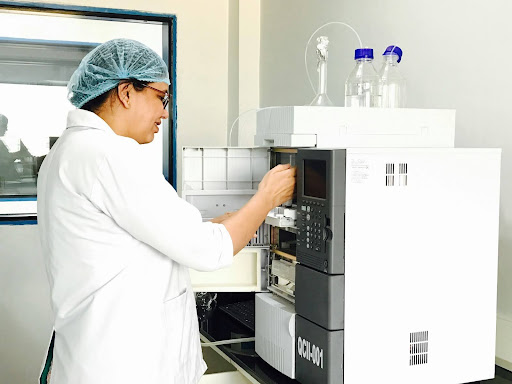
This is not a solo endeavor. The future lies in open platforms. Researchers around the world can share designs and data. They build upon each other’s work. A breakthrough in one lab can accelerate work in another.
This collaborative, data-rich environment is the true promise of the platform approach. It turns biology into a shared, upgradeable technology.
Conclusion: The Engine of Discovery
We are witnessing a fundamental shift. Biology is becoming a predictive science. Data-driven platforms are the engine of this new era. They remove guesswork. They accelerate the path from idea to solution. This is more than a new tool. It is a new way of thinking about life itself.
The next decade of breakthroughs will not come from a single brilliant insight. They will come from the intelligent, iterative analysis of billions of data points. The future is being written in code, tested in cells, and learned from data.