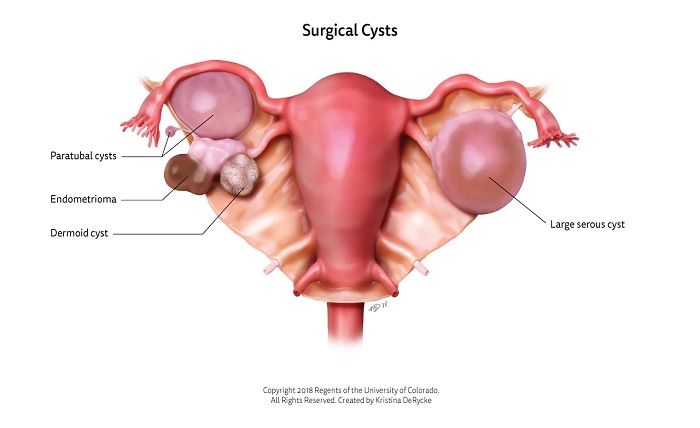
Ovarian cysts are among the most common findings in gynecology, yet they are often misunderstood. While the word “cyst” can sound alarming, most ovarian cysts are a natural part of the body’s reproductive cycle and do not pose serious health risks. Understanding their nature, causes, and variations is essential for maintaining long-term reproductive health.
At Liv Hospital, specialists take a comprehensive approach to women’s health, ensuring that ovarian cysts are accurately evaluated and managed. To explore detailed clinical insights, visit GYNECOLOGY Overview and Definition.
What Are Ovarian Cysts?
Ovarian cysts are fluid-filled sacs that form either inside or on the surface of the ovaries. These structures are often linked to ovulation and hormonal activity, which is why they are particularly common in women of reproductive age.
In most cases, cysts are:
- small and harmless
- symptom-free
- temporary and self-resolving
However, certain types may persist, grow, or cause discomfort, requiring medical attention.
The Role of the Ovaries in Cyst Formation
The ovaries play a central role in hormone production and egg release. During each menstrual cycle, follicles develop to release an egg. When this natural process is disrupted, a cyst can form.
Two common functional cysts include:
- follicular cysts, which form when the follicle does not release an egg
- corpus luteum cysts, which occur after the egg is released but the follicle does not dissolve
These are considered normal physiological events and typically resolve without intervention.
Types of Ovarian Cysts
Not all cysts are the same. Some are part of normal reproductive function, while others develop due to underlying conditions.
Functional Cysts
These are the most common and are directly related to the menstrual cycle. They are usually harmless and temporary.
Complex Cysts
These may contain solid material or tissue and require closer monitoring. Examples include:
- dermoid cysts containing different tissue types
- cystadenomas that can grow larger in size
- endometriomas linked to endometriosis
Polycystic Ovary Syndrome (PCOS)
In PCOS, multiple small cyst-like follicles develop due to hormonal imbalance. This condition can affect ovulation and fertility and requires a broader medical approach.
Symptoms and When to Be Concerned
Many ovarian cysts do not cause symptoms and are discovered incidentally. However, larger or more complex cysts may lead to noticeable changes.
Possible symptoms include:
- pelvic discomfort or pressure
- bloating or abdominal fullness
- irregular menstrual cycles
- pain during certain activities
In rare cases, complications such as rupture or ovarian torsion can occur, requiring immediate medical care.
How Age Influences Ovarian Cysts
The significance of an ovarian cyst varies depending on a woman’s age and hormonal status.
- In premenopausal women, cysts are usually benign and linked to ovulation
- In postmenopausal women, new cysts are less common and may require closer evaluation
This age-based approach helps doctors determine the level of monitoring or treatment needed.
The Importance of Early Evaluation
Although most cysts are harmless, proper diagnosis ensures that any unusual or persistent growths are identified early. Regular gynecological checkups play a key role in detecting changes and preventing complications.
Early evaluation allows for:
- accurate identification of cyst type
- monitoring of growth or changes
- timely intervention if needed
- protection of fertility and overall reproductive health
Ovarian Cysts and Fertility
A common concern is whether ovarian cysts affect fertility. In most cases, functional cysts do not interfere with the ability to conceive. However, certain conditions like endometriosis or PCOS may require medical management to support reproductive health.
Understanding the type of cyst is essential in determining its impact on fertility and long-term outcomes.
Supporting Hormonal Balance and Reproductive Health
While not all cysts can be prevented, maintaining hormonal balance can help reduce the risk of recurring issues. Lifestyle factors such as nutrition, stress management, and regular physical activity contribute to overall gynecological health.
Simple practices like routine checkups and awareness of body changes can make a significant difference in early detection and management.
A Holistic Approach to Women’s Wellness
Ovarian cysts are a common part of gynecological care, but understanding them empowers women to make informed health decisions. With proper evaluation and monitoring, most cysts can be managed effectively without impacting daily life.
For broader guidance on maintaining hormonal balance, lifestyle wellness, and overall health, you can explore live and feel a platform focused on helping individuals achieve a healthier and more balanced life.