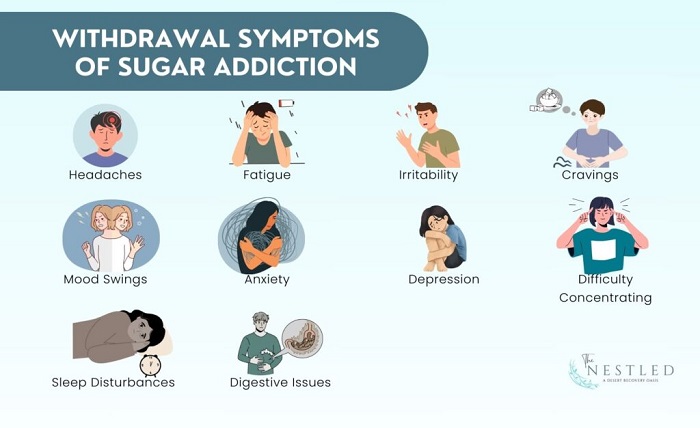
In the early stages of addiction recovery, it’s common to notice a powerful shift in cravings — and for many, sugar takes center stage.
Whether it’s reaching for a soda, candy bar, or sweetened coffee, sugar often becomes a go-to comfort. But is sugar helping or hurting your recovery?
The answer is nuanced. This article explores the role sugar plays in addiction recovery, how it affects brain chemistry, and whether it’s a supportive tool or a slippery slope.
Why Sugar Cravings Spike in Recovery?
Many individuals in early recovery experience an intense craving for sugar — and there’s a biological reason behind it.
- Brain Chemistry Shift: Substance use hijacks the brain’s dopamine system, which governs pleasure and reward. When the substance is removed, the brain seeks out alternative ways to release dopamine — and sugar does just that, offering a quick (though temporary) hit of pleasure.
- Low Blood Sugar: Withdrawal, poor eating habits during addiction, and stress can result in blood sugar imbalances. Sugar provides rapid relief.
- Substitution Effect: For some, sweets become a substitute for their previous substance, filling a psychological or emotional void.
Potential Benefits of Sugar in Early Recovery
While sugar often gets a bad rap, it may have some short-term benefits in the initial stages of recovery:
- Immediate Dopamine Boost: Sugar can help ease feelings of depression and anxiety by stimulating dopamine release — which may be especially low during detox and early recovery.
- Energy Source: Quick-digesting carbohydrates provide energy when the body is fatigued or healing from withdrawal.
- Appetite Stimulation: After substance use, some people experience poor appetite. Sugar can stimulate eating behavior, paving the way for more balanced meals.
In some cases, a small sugar intake can be a bridge — helping individuals transition from addiction to healthier habits.
When Sugar Becomes a Problem?
Despite its temporary benefits, over-reliance on sugar can cause physical and psychological issues — potentially sabotaging long-term recovery:
1. Blood Sugar Spikes and Crashes
Excess sugar leads to rapid fluctuations in blood glucose levels, which can cause:
- Irritability
- Mood swings
- Fatigue
- Increased cravings (including cravings for drugs or alcohol)
2. Cross-Addiction
In recovery, the brain remains vulnerable to addictive behaviors. Overconsumption of sugar may lead to a new dependency — not chemically as potent as drugs, but behaviorally reinforcing. This is known as cross-addiction.
3. Weight Gain and Body Image Issues
Weight gain in recovery is common, and excess sugar contributes to it. For some, this can trigger emotional distress, shame, or even relapse risks if not managed mindfully.
4. Impact on Mental Health
Emerging research links high sugar consumption to increased rates of anxiety, depression, and cognitive decline — all of which are already elevated in early recovery.
Finding Balance: How to Manage Sugar in Recovery
✅ Include Complex Carbohydrates
Whole grains, fruits, vegetables, and legumes provide steady glucose and help minimize blood sugar crashes.
✅ Eat Regularly
Skipping meals can lead to low blood sugar and increased sugar cravings. Aim for consistent, balanced meals with protein, fiber, and healthy fats.
✅ Stay Hydrated
Dehydration is often mistaken for hunger or cravings. Drinking enough water can reduce sugar cravings.
✅ Address Emotional Eating
Craving sugar might be your body’s way of asking for comfort. Identifying emotional triggers and finding healthier coping tools (journaling, walking, deep breathing) can help reduce reliance on sweets.
✅ Don’t Strive for Perfection
Recovery is already challenging — completely cutting out sugar may add unnecessary stress. A moderate approach works best.
Should Addiction Centers Allow Sugar?
Some treatment centers restrict sugar intake altogether; others allow it in moderation. There’s no one-size-fits-all answer, but successful programs often:
- Educate clients about sugar’s effects
- Offer healthier alternatives
- Encourage mindful eating over strict rules
The goal is to empower individuals to make informed choices, not impose guilt or perfectionism.
Final Thoughts
So, is sugar a friend or foe in addiction recovery? In moderation, sugar can serve as a temporary ally — soothing withdrawal symptoms and offering small joys during a difficult transition. But unchecked, it can create its own problems, particularly through mood instability, cross-addiction, and long-term health consequences.
The key is awareness and balance. Understanding your body’s needs, listening to your emotional cues, and choosing whole foods more often than processed ones will support both your sobriety and your overall well-being.