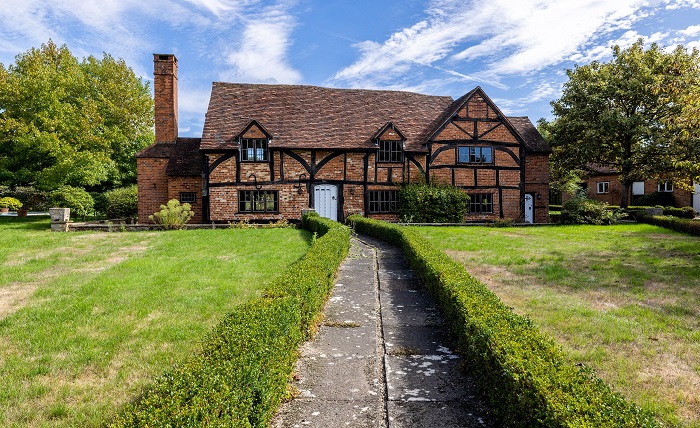
Listed Building Consent (LBC) is not a paperwork hurdle. It is the mechanism that protects what makes a listed property special, while still allowing it to evolve. In London, the difference between a smooth consent and a refusal is usually evidence and clarity, not ambition. When handled well, LBC becomes a design framework rather than a constraint, especially when led by architects experienced in translating heritage value into buildable proposals.
Establishing Significance and Constraints
Begin with the listing entry and a clear understanding of the building’s significance. Do not assume only the facade is protected. Interiors, plan form, staircases, joinery, windows, and historic fabric can all contribute to special interest. The aim is to identify what must be protected, what can be repaired, and where change may be justified.
A measured survey and photographic record prevent designing blind. In older buildings, small inaccuracies can lead to major knock-on effects in planning, cost, and technical detailing. This is also where constraints are mapped: party walls, neighbouring windows, daylight, access, and any previous alterations that may influence what is acceptable.
Designing, Submitting, and Delivering Change
LBC favours repair-first thinking and clear reasoning. Where you propose new openings, extensions, or internal reconfiguration, the argument should be specific: what is being altered, what is retained, and why the change improves usability without eroding special interest. This is often where listed building architects add the most value – the justification is designed into the scheme, not written afterwards.
Building a coherent consent strategy
A strong submission reads as a single, coherent story. Typical components include existing and proposed drawings, a heritage statement covering significance and impact, material notes, and technical details showing how old and new meet. Where contemporary elements are introduced, they should be calm, precise, and reversible where possible, with proportions and craftsmanship clearly explained.
Submit, respond, and refine
Once submitted, outcomes often depend on small clarifications. Be prepared to respond promptly with additional drawings, samples, or refined details. Late changes are common, but they must be controlled so the core logic of the proposal remains intact.
Build what was approved
Consent is only half the process. Listed projects succeed on site when junctions, repairs, and specifications are detailed clearly enough to avoid improvisation. Contractor briefings, sample approvals, and regular site reviews protect design intent and reduce the risk of costly rework.
In summary, LBC works best when a proposal is honest about what matters, precise about impact, and detailed enough to build. With the right preparation, it becomes a structured route from first survey through consent to delivery, keeping heritage, planning, and construction aligned from day one.