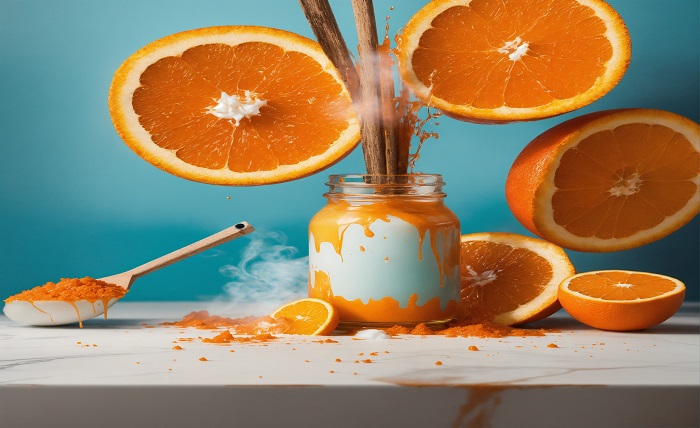
In recent years, the global food industry has experienced a major shift. Consumers are reading labels more carefully, asking more questions, and choosing products that feel safer, cleaner, and closer to nature. One of the biggest outcomes of this shift is the growing demand for natural food colors. As a result, natural food color manufacturers are becoming key partners for food and beverage brands that want to stay relevant in a health-conscious market.
Why Natural Colors Are Taking the Lead
For decades, synthetic colors were the preferred choice because they were inexpensive, vibrant, and easy to use. But with rising concerns around artificial additives, allergies, and long-term health implications, consumers have started opting for cleaner alternatives. Natural color sources—like fruits, vegetables, herbs, and seeds—now offer a promising solution.
Natural food colors are:
- Plant-derived and label-friendly
- Perceived as safer and healthier
- Aligned with “clean label” and “all-natural” trends
- Accepted across global markets and regulatory bodies
This shift has created new opportunities for manufacturers specializing in nature-based pigments.
What Natural Food Color Manufacturers Do Differently
Unlike traditional color suppliers, natural food color manufacturers must balance science with sustainability. Their job goes beyond extracting color; it involves:
- Sourcing high-quality natural raw materials
- Using gentle extraction methods to retain purity
- Ensuring stability in different food applications
- Meeting strict regulatory and safety standards
- Providing customized shades for bakery, dairy, confectionery, beverages, snacks, and more
Because natural colors can be sensitive to heat, pH, and light, innovation becomes crucial. Top manufacturers invest in research and technology to improve color stability and shelf life—ensuring that brands get consistent, vibrant results without artificial additives.
Annatto: A Bright Star in Natural Coloring
When talking about plant-based pigments, annatto food coloring is one of the most popular and widely used options. Extracted from the seeds of the achiote tree, annatto produces beautiful yellow to orange shades. It is commonly used in:
- Cheese and dairy products
- Snacks and seasonings
- Margarine and spreads
- Baked goods
- Confectionery
Its appeal lies in its versatility, natural origin, and long history of safe use. As manufacturers continue to move away from synthetic yellows like Tartrazine, annatto has become a preferred natural alternative.
The Future of Natural Food Coloring
The growth of vegan, organic, and minimally processed foods is pushing the demand even higher. Consumers want transparency—and brands are responding. Natural food color manufacturers are now focusing on:
- Eco-friendly sourcing
- Non-GMO and allergen-free formulations
- Innovative blends for new shades
- Cost-effective natural solutions
There is also rising interest in regional botanical sources like turmeric, beetroot, spirulina, paprika, and hibiscus. Each brings unique hues, benefits, and cultural relevance.
Choosing the Right Manufacturer Matters
For food brands, selecting the right natural color partner can make a big difference. The ideal manufacturer should offer:
✅ Proven expertise in natural pigments
✅ Regulatory and documentation support
✅ Application testing and technical guidance
✅ Customization based on food category and processing needs
With the market rapidly evolving, collaboration, transparency, and innovation are key.
Conclusion
Natural food colors are no longer a niche trend—they’re becoming the new standard. As consumers push for cleaner, plant-based ingredients, natural food color manufacturers are playing a crucial role in shaping the future of food. With powerful botanical options like annatto food coloring leading the way, brands have exciting opportunities to create vibrant, natural, and trustworthy products.
If the food industry continues this journey toward nature-based solutions, one thing is clear: the future looks bright—and naturally colorful.