Have you ever looked at a ruler and tried to imagine what 15 centimeters really represents in everyday life? Though it may sound like a small measurement, it appears far more often than you might expect—from common desk items to carefully designed tools.
Whether you’re working on a home project, assisting with schoolwork, or simply satisfying your curiosity, knowing what 15 centimeters looks like in real-world terms can greatly improve your sense of scale and accuracy.
How Long Is 15 Centimeters?
Fifteen centimeters is equal to about 5.9 inches—just under half a foot. To visualize it, think of the length of a typical smartphone, the width of an adult hand when fully spread, or slightly longer than a standard credit card.
It’s a practical middle-ground measurement: noticeable without being bulky, compact without being insignificant. That balance makes 15 centimeters a common dimension in many everyday objects.
Common Objects That Are About 15 Centimeters Long
Smartphone

The smartphone you carry every day is likely very close to 15 centimeters in height. Modern phone designs have converged on this size because it offers a comfortable grip while still providing a large, readable screen. For example, the iPhone 12 stands at roughly 14.7 centimeters—nearly identical to this measurement.
This wasn’t a random design choice. Manufacturers studied ergonomics extensively to find a size that works well for one-handed use without sacrificing functionality. Interestingly, mobile phones used to get smaller over time—until touchscreen technology shifted the focus toward larger displays.
Adult Hand Span

If you stretch your hand from thumb to pinky, most adults will measure close to 15 centimeters. Humans have relied on body-based measurements like this for centuries, long before standardized rulers were common.
While hand span varies depending on height, genetics, and sex, the average adult falls between 14 and 16 centimeters. Musicians often pay close attention to this measurement since it directly affects how they play instruments like the piano or guitar.
Standard Pencil

A new pencil usually measures around 15 centimeters. This length provides a comfortable grip, balanced weight, and enough material to last through extensive use.
Manufacturers settled on this size because it’s practical: easy to carry, easy to control, and durable enough for long-term writing. Fun fact—one standard pencil can draw a line up to 35 miles long or write roughly 45,000 words before it’s worn down.
Cucumber
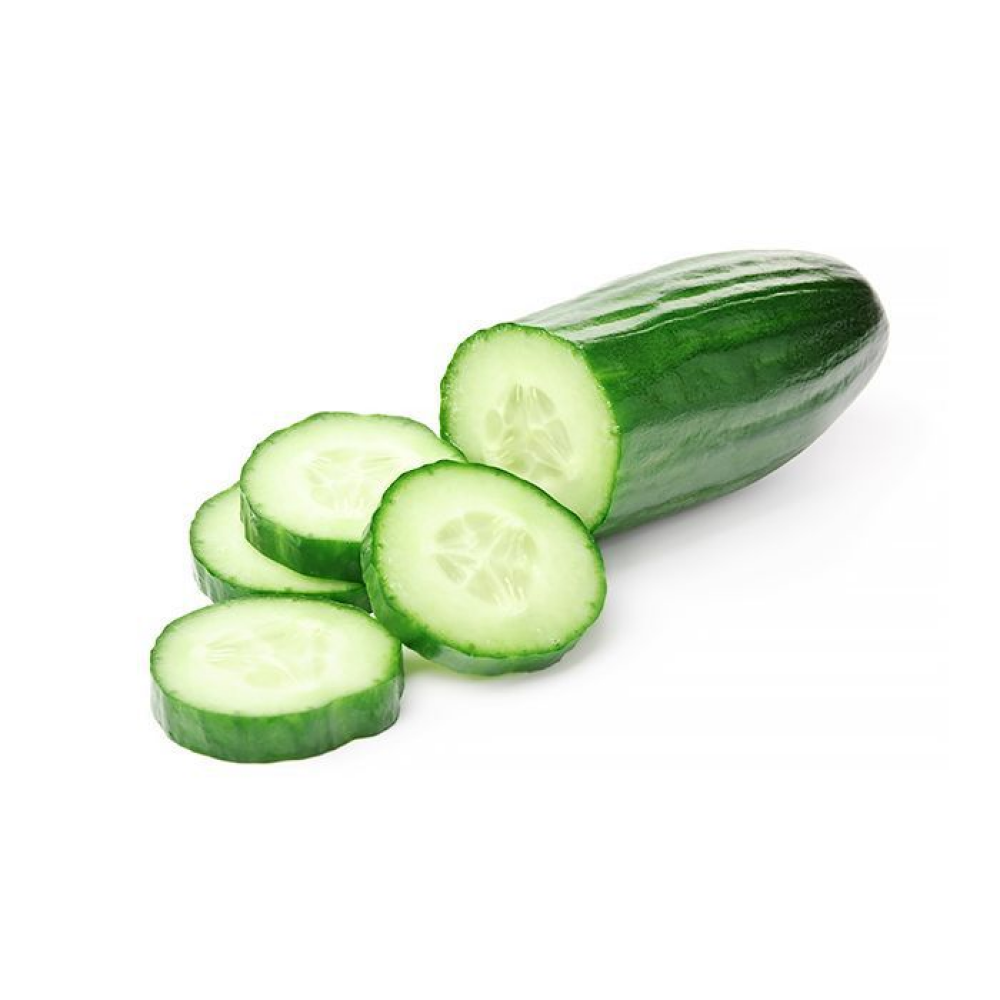
Many cucumbers reach about 15 centimeters when harvested at their best. Farmers often consider this length ideal for flavor, crunch, and minimal seed development.
Cucumbers have been grown for thousands of years, and selective breeding has refined their size for culinary perfection. That familiar 15-centimeter length reflects generations of agricultural optimization.
Ruler
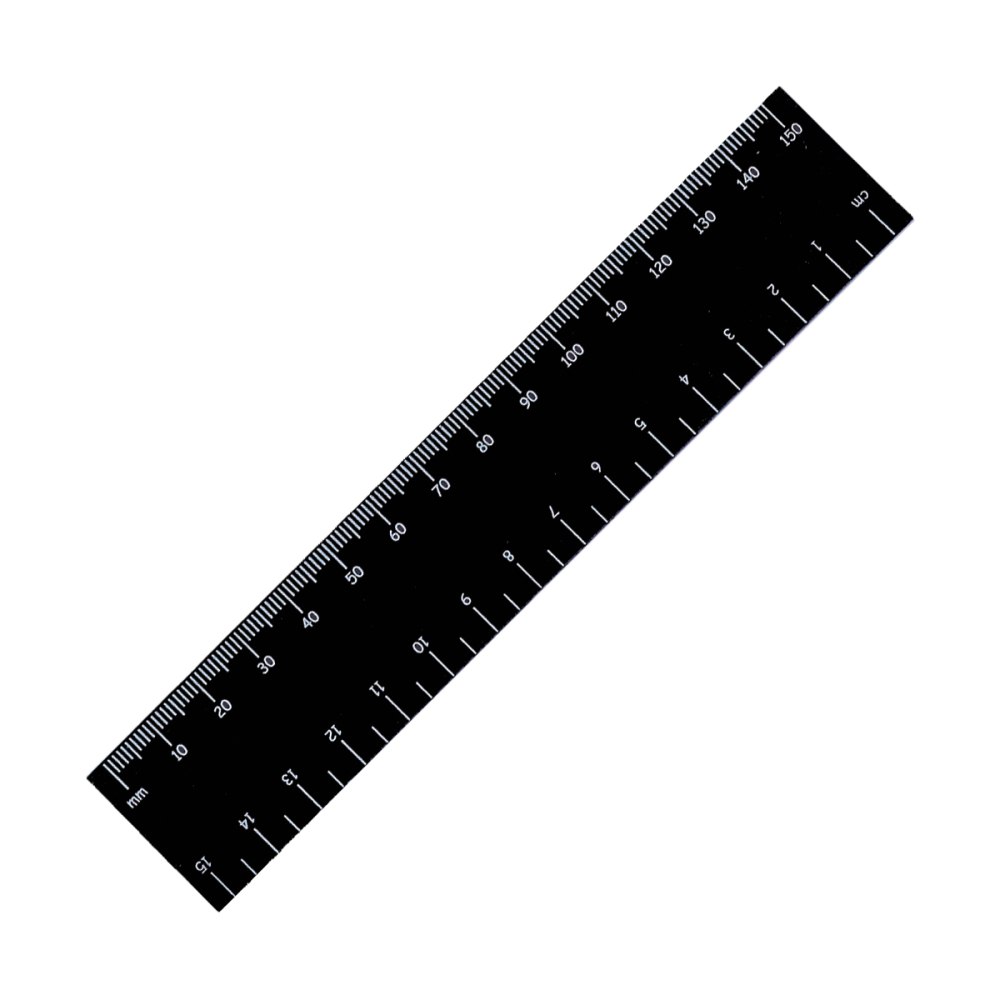
Half-length rulers commonly used in schools measure 15 centimeters. These compact rulers fit easily into pencil cases and are perfect for basic classroom tasks.
They’re especially helpful for teaching the metric system, giving students a physical reference for understanding centimeters and millimeters. Studies show that hands-on tools like these help children build stronger spatial reasoning skills than digital alternatives.
See Also: Flashcard Sizes: Everything You Need to Know
Spatula
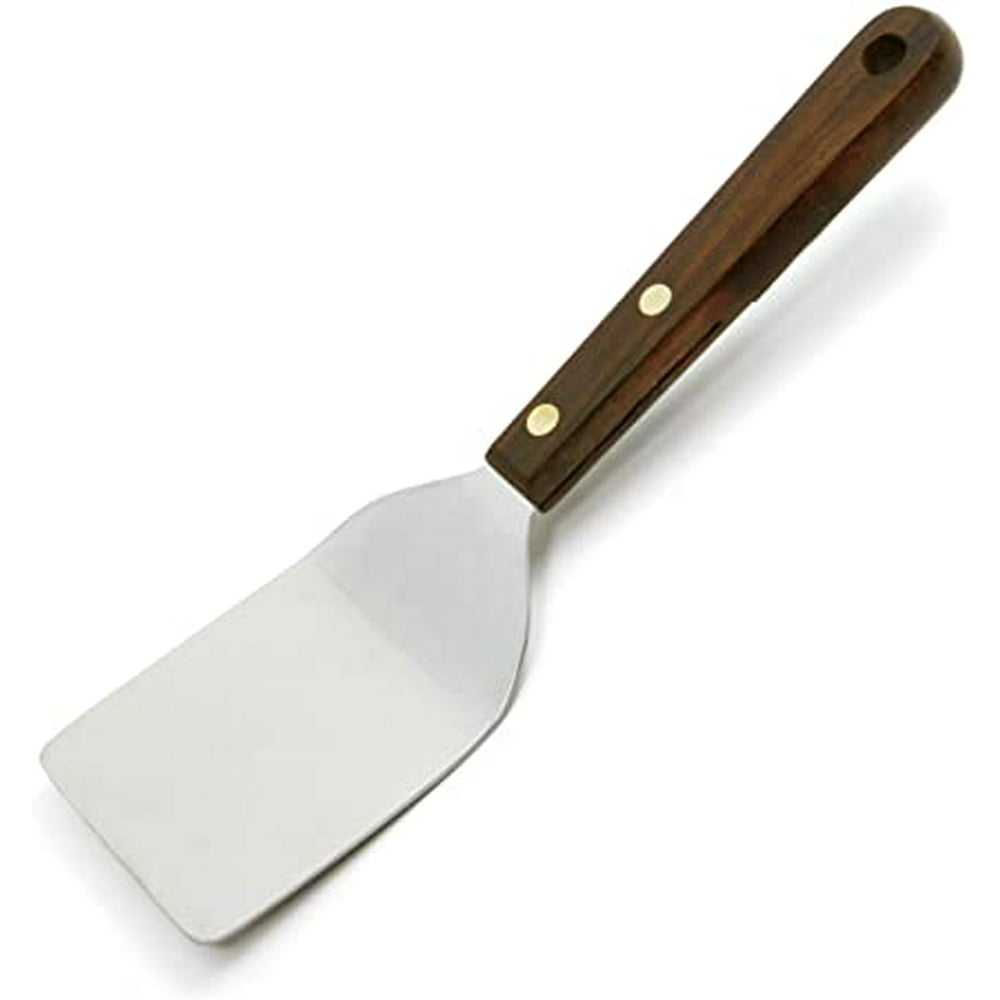
Many kitchen spatulas have blades measuring about 15 centimeters. This size offers enough surface area to support food while remaining easy to maneuver in pans and grills.
Professional chefs often prefer spatulas in this range because they provide excellent control for everything from flipping pancakes to handling delicate fish.
Standard Envelope

A typical business envelope is roughly 15 centimeters tall. This standardized size allows it to hold folded documents efficiently while remaining compatible with automated mail-sorting machines.
Though letter writing has declined, billions of envelopes still circulate globally each year—most following this carefully optimized dimension.
Paperback Book

Many mass-market paperback books stand about 15 centimeters tall. Publishers favor this height because it balances readability, portability, and production efficiency.
This size allows for comfortable text layout while keeping books lightweight and easy to hold, making it ideal for travel and casual reading.
Newborn Baby’s Foot Length

The average newborn’s foot measures close to 15 centimeters. Pediatricians use this measurement as a developmental indicator, as foot length often correlates with gestational age and overall growth.
Over time, the human foot typically grows to about three times its birth length, making this tiny 15-centimeter foot the starting point for significant growth.
See Also: Things that Are 7 Meters Long: Sizes Of Common Objects
Hamster

From nose to tail base, a Syrian hamster measures approximately 15 centimeters. This compact size makes them easy to care for and popular as pets.
Despite their small frame, hamsters have impressive adaptations, such as expandable cheek pouches that allow them to transport large amounts of food relative to their body size.
Why Understanding 15 Centimeters Is Useful
Quick Estimation
Recognizing common 15-centimeter references allows you to estimate sizes when no measuring tool is available. For instance, picturing a smartphone or a hand span can help you judge whether an object will fit in a given space.
Helpful references include:
- A fully spread hand
- The long edge of a credit card (slightly shorter)
- The width of your palm including the thumb
DIY and Home Projects
In home improvement tasks, knowing this measurement helps with spacing shelves, arranging furniture, or planning storage. Visualizing a paperback book or kitchen utensil can make layout decisions easier and more accurate.
Experienced DIY enthusiasts often rely on familiar measurements like 15 centimeters to plan efficiently without constant measuring.
Learning and Teaching
For children learning the metric system, 15 centimeters serves as an excellent real-world reference. Associating numbers with familiar objects makes abstract concepts easier to understand and remember.
Parents and teachers can turn everyday environments into learning opportunities by encouraging kids to identify items that measure close to 15 centimeters.
Visualizing 15 Centimeters Without a Ruler
If you don’t have measuring tools nearby, try these methods:
- Place three knuckles side by side
- Use the length of a paper bill (many are close to this size)
- Measure the diagonal of a credit card
- Fold an A4 sheet lengthwise—half its width is about 15 centimeters
These tricks are especially helpful when shopping, organizing spaces, or making quick decisions on the go.
Final Thoughts
From smartphones and books to kitchen tools and living creatures, 15 centimeters quietly shapes much of our daily experience. It’s a practical, versatile measurement that appears in both nature and design.
Once you start recognizing it, you’ll notice it everywhere. Try looking around your current space and identifying a few objects that are close to 15 centimeters—you may be surprised how often it shows up.
Understanding common measurements like this helps us navigate the physical world with more confidence and intuition. Sometimes, the most useful knowledge comes in small, familiar sizes—just like 15 centimeters.