In the sprawling museum of “stuff humans used before streaming,” few objects are as instantly recognizable as the DVD case.
Whether you’re flipping through movies at home, wandering a library aisle, or visiting the rare remaining rental store that hasn’t gone extinct yet, that familiar plastic rectangle shows up everywhere. It’s so common that most people never think about its exact size, why it ended up that way, or how neatly it matches other everyday objects.
How long is a DVD case?
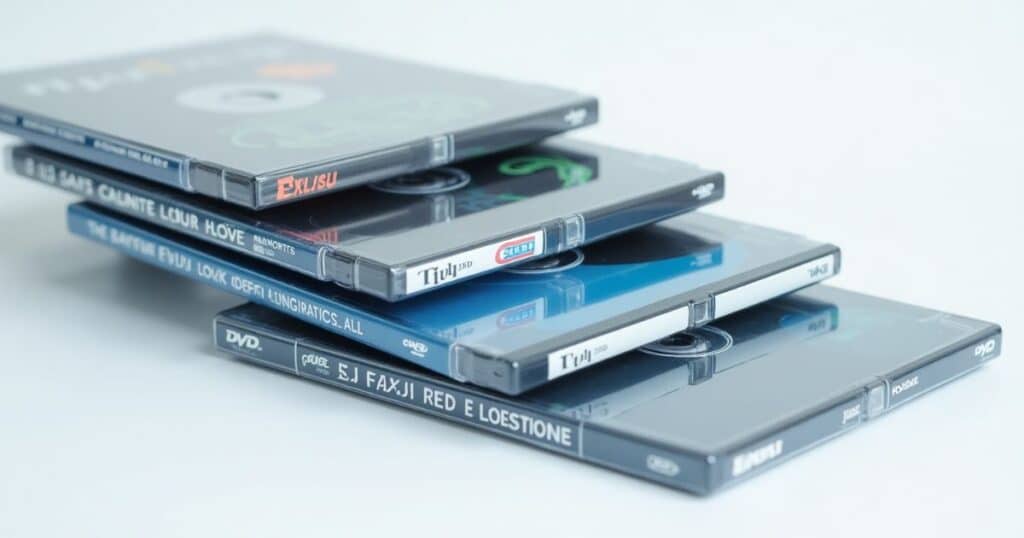
A standard DVD case is about 7.5 inches (19 cm) tall, 5.3 inches (13.5 cm) wide, and 0.5 inches (1.2 cm) thick. Those dimensions weren’t picked randomly, they’re a deliberate compromise between protecting the disc, saving shelf space, and looking “premium” enough to feel like a real product.
Knowing the measurements is actually useful for building shelves, planning storage, designing packaging, or even just eyeballing sizes without a ruler.
How DVD case design evolved
When DVDs arrived in the late 1990s to replace VHS tapes, the industry needed packaging that did three things well:
-
Protected discs better than sleeves or flimsy paper inserts
-
Took up less space than bulky VHS cassettes
-
Felt like an upgrade, not a downgrade, so people would actually buy into the new format
The result was the classic “keep case” (often associated with the Amaray-style design), built after a lot of testing around durability, store display needs, shipping efficiency, and consumer psychology. Basically: it had to survive handling, stack well, and still look worth your money.
Standard DVD cases vs. common variations
Even with a “standard,” the industry couldn’t resist making variations for special use cases.
1) Standard single-disc (keep case)
The classic: 7.5 × 5.3 × 0.5 inches.
It includes a center hub that grips the disc securely while still letting you pop it out without snapping it in half like a potato chip.
A big part of this sizing is retail-friendly design: it creates a readable spine for shelf browsing and enough front cover space for artwork that sells the movie.
2) Slim DVD cases
Same height and width (7.5 × 5.3 inches) but thinner, usually around 0.3 inches (7 mm).
They exist for one reason: space and shipping costs. They became popular for software discs, promos, and box sets where normal cases would turn your living room into a plastic storage facility.
3) Multi-disc DVD cases
Same height and width, but thicker: usually 0.6 to 1.5 inches, depending on how many discs are inside.
They use multiple hubs or folding trays to increase capacity without ruining shelf consistency.
4) Steelbook cases
Collector editions usually stay close to standard size, often around 7.5 × 5.3 × 0.6 inches, with the extra depth coming from metal construction.
Steelbooks exist because collectors want something streaming can’t offer: weight, texture, display value, and that “I own this” feeling.
DVD Cases Compared to Other Common Objects
If you want to visualize the size without measuring:
1. Paperback Books

Most paperback books stand about 6.5 to 8 inches tall, which puts them in the same height neighborhood as a DVD case. The big difference is thickness: paperbacks can be as slim as 0.3 inches or closer to 1 inch depending on how many pages they’re packing. That height match isn’t an accident either. Both book and media packaging are designed around the same realities: limited shelf space and what feels comfortable to hold.
Because they’re so close in size, shelves that work for books usually work for DVDs too. That’s why a lot of modern bookcases and entertainment units are built to handle both, since books and movies tend to end up living side by side in the same space anyway.
2. Video Game Cases
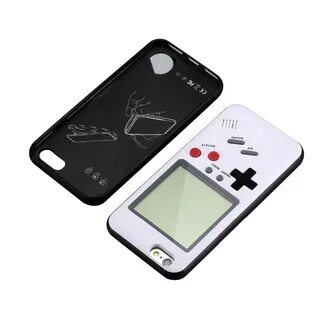
PlayStation and Xbox game cases are made to be almost the same size as standard DVD cases, which isn’t some magical coincidence. It’s standardization doing its boring-but-useful job: making games easier to display, stack, ship, and store on the same shelves as movies.
Nintendo Switch cases break that pattern by being smaller, roughly 6.8 × 4.1 × 0.5 inches, which fits the console’s whole “portable, take-it-anywhere” identity.
By sticking close to DVD-style sizing, the gaming industry keeps retail walls and home shelves looking tidy and consistent, and it subtly reinforces the idea that games and movies belong in the same entertainment ecosystem.
See Also: Things that Are 9 Feet Long – Size Of Common Objects
3. Smartphone Boxes
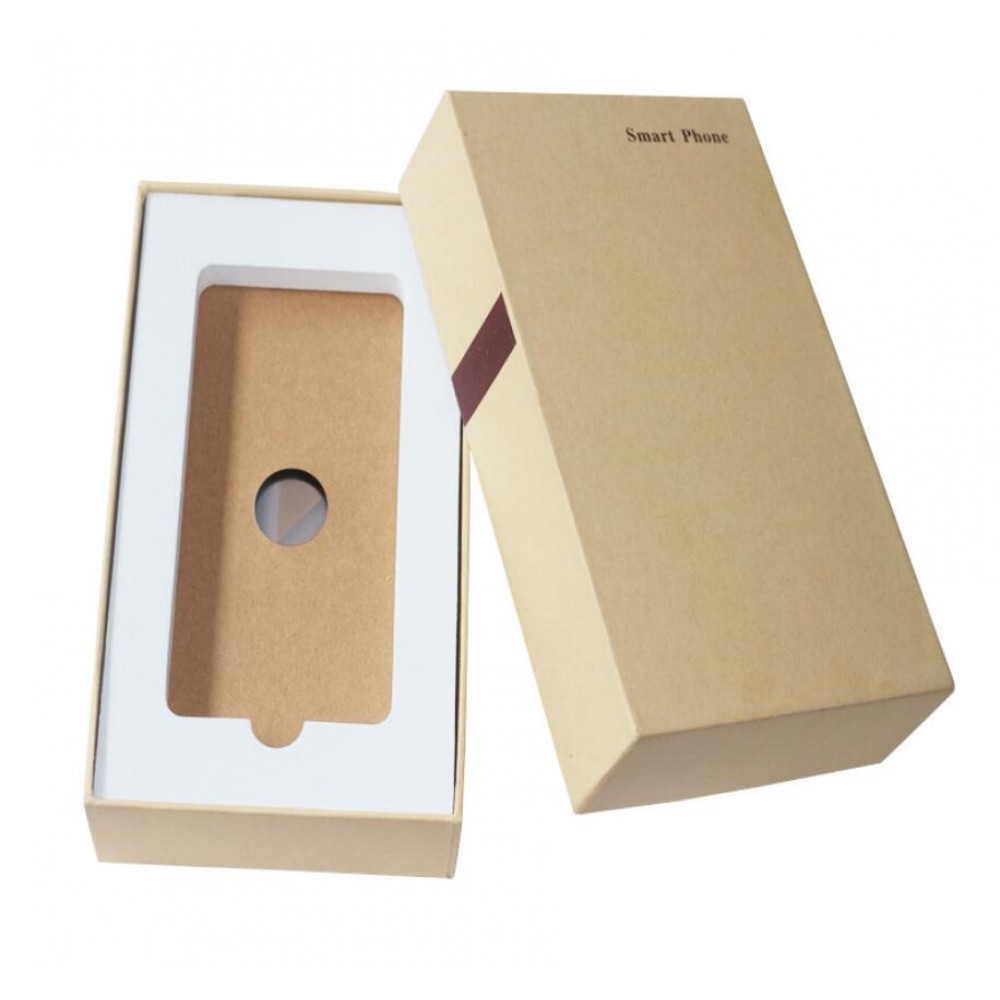
Most premium smartphone boxes have a footprint that’s surprisingly close to a DVD case, often landing around 6 × 3 × 1.5 inches. That’s not luck, it’s packaging logic: different industries tend to converge on sizes that balance presentation, protection, and material efficiency. The whole “luxury unboxing” thing popularized by brands like Apple isn’t that far removed from the way special edition DVD sets were designed to feel collectible and high-end.
Because the proportions are similar, both types of packaging have a comparable shelf presence. They’re built to look impressive on display, while still being practical to ship, stack, and store without wasting space.
4. Photo Frames
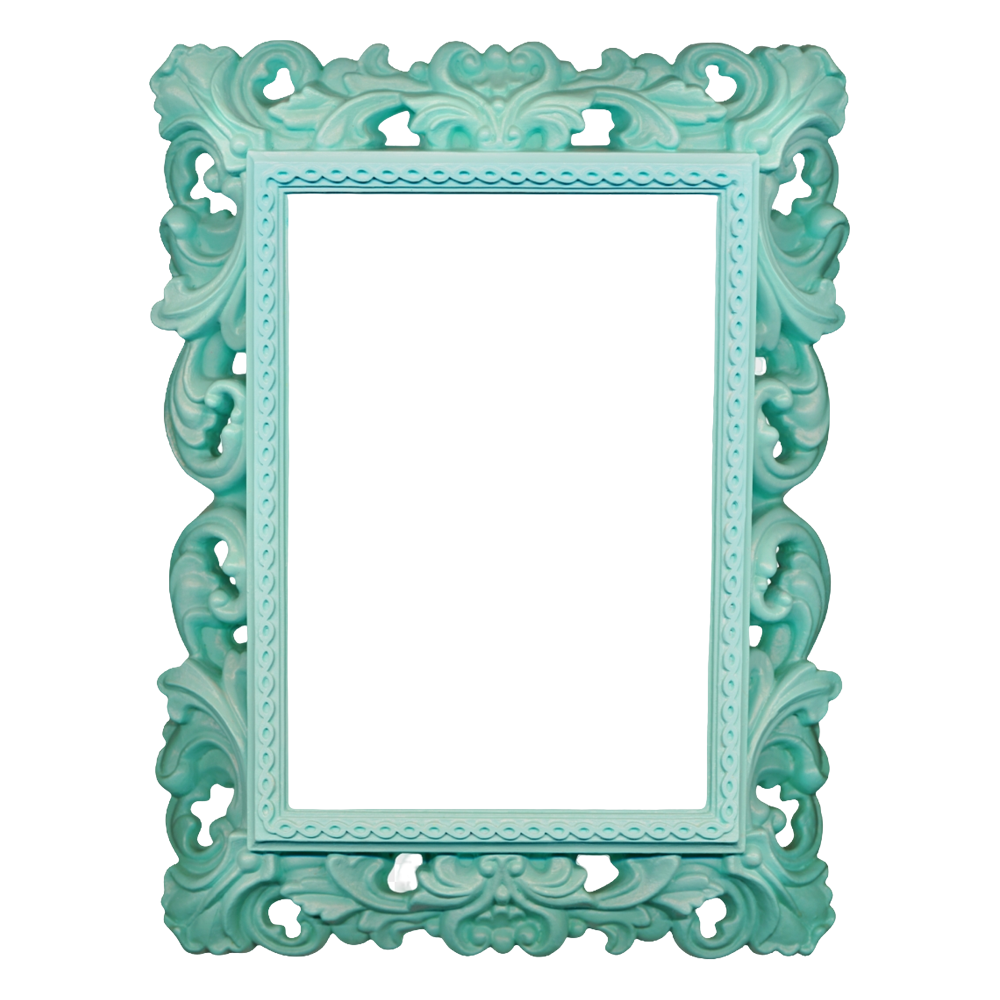
Standard 5×7 inch photo frames are close enough to DVD case proportions that they work surprisingly well for showing off DVD cover art. That near-match has inspired plenty of creative reuse, including turning empty DVD cases into cheap DIY photo frames. It also helps that DVD covers were designed to look good at a glance, using the same basic visual balance you see in well-composed photos.
Some collectors take it a step further by framing multiple DVD covers and hanging them as a wall display. It turns a movie collection into actual décor, and it gives film poster artwork the spotlight instead of leaving it buried on a shelf.
5. Tablets and E-Readers
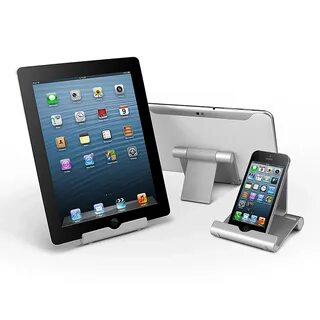
A lot of tablets and e-readers end up in the same size range as a DVD case, both in screen area and overall footprint. For instance, a standard iPad is roughly 9.4 × 6.6 inches, while a Kindle Paperwhite is around 6.6 × 4.6 inches.
That similarity mostly comes down to ergonomics: both kinds of objects have to feel comfortable in your hands while still offering enough space to see and read content clearly.
It’s also a quiet reminder of how physical media shaped digital design. Device makers didn’t invent “hand-friendly entertainment rectangles” from scratch, they borrowed the interaction habits people already had from books, DVDs, and other familiar formats, then built modern screens around those same proportions.
The Science Behind DVD Case Dimensions
The specific dimensions of DVD cases weren’t arbitrarily chosen but represent careful engineering considerations:
Protection and Durability
The 0.5-inch depth provides sufficient space for the disc to avoid direct contact with surfaces when the case is closed, while the overall dimensions create a structure resistant to warping and damage. The relatively large surface area distributes pressure evenly when cases are stacked, protecting the discs inside.
Ergonomics and User Experience
DVD cases are designed to be easily handled and opened with one hand. The width and height create enough leverage for comfortable opening without being unwieldy. The dimensions also accommodate human finger spacing for secure grip while browsing.
Retail and Marketing Considerations
The height and width provide adequate space for eye-catching cover art while the depth allows for spine text that’s readable when shelved. These dimensions also optimize shipping costs and retail shelf space utilization.

Practical uses for knowing DVD case dimensions
-
Storage planning: You can estimate shelf space fast when you know one case is about 7.5 × 5.3 × 0.5 inches.
-
Upcycling: They’re handy standardized containers for crafts, photos, small parts, or organizing.
See Also: Things that Are 15 Centimeters Long – Size of Objects
-
Collectible displays: Helps when mixing standard cases, slim cases, and steelbooks.
-
Measuring without tools: A DVD case is a quick reference for about 7.5 inches in height.
The future of physical media cases
Streaming dominates, but physical packaging hasn’t vanished, it’s just evolving:
-
More premium collector packaging (bigger, fancier, less standardized)
-
Less plastic / more sustainable materials while keeping compatible outer sizes
-
Multi-format storage design, since people now mix books, discs, games, and vinyl in the same shelves
Measuring without a ruler: DVD case as a reference
-
Height (7.5 inches) is roughly like a pencil length or half a sheet of paper’s width when folded.
-
Width (5.3 inches) is close to many modern phone lengths.
-
Four standard cases stacked ≈ 2 inches thick.
Conclusion
The standard DVD case size (7.5 × 5.3 × 0.5 inches) is more than a random set of numbers. It’s a product of protection needs, shelf economics, shipping logic, and marketing psychology, all mashed into one sturdy rectangle that became a global default.
Next time you pick one up, notice how naturally it fits your hand and shelf. That “obvious” feeling is what happens when design decisions get made so well you stop noticing them.